
 No.14 Waihuan Road, CBD, Zhengzhou, China
 +86-18703635966

No.14 Waihuan Road, CBD, Zhengzhou, China
+86-18703635966
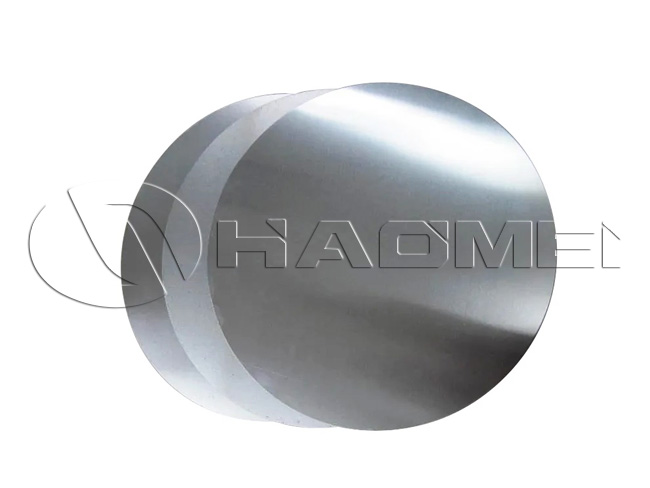
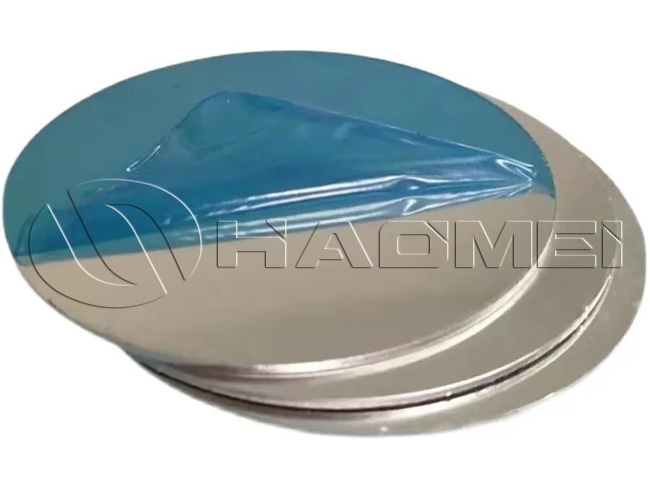
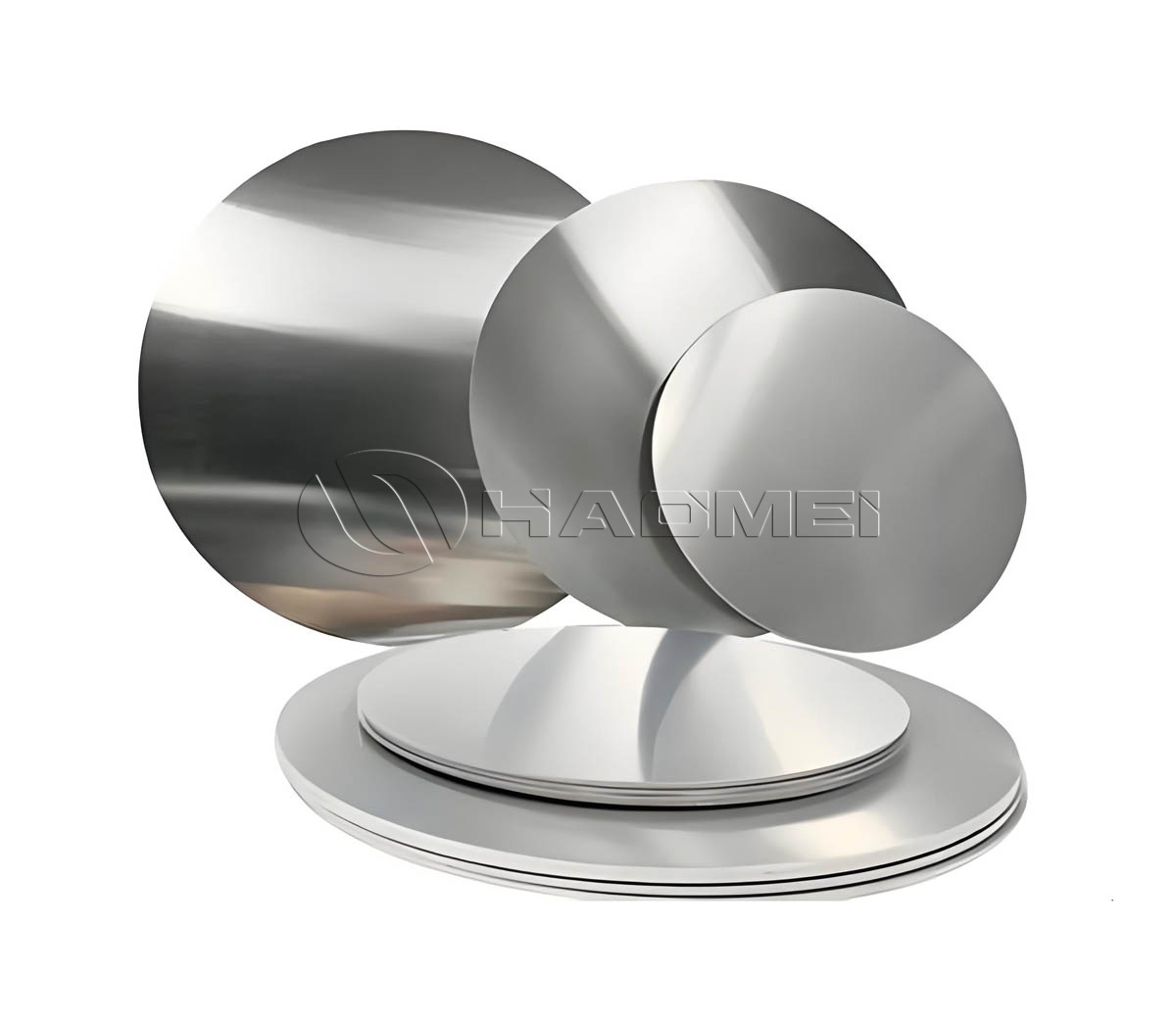
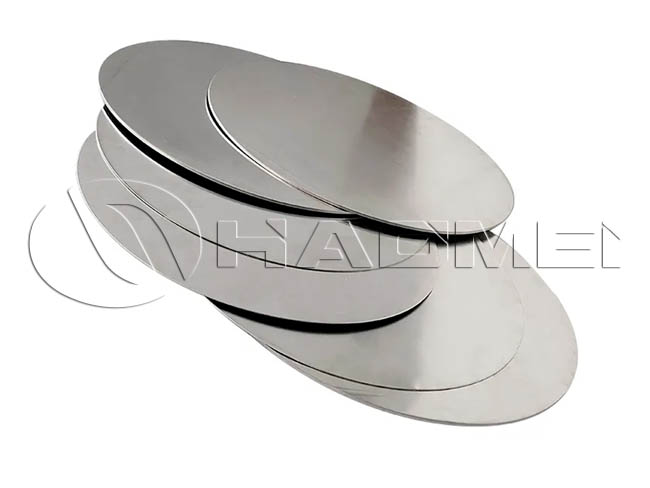
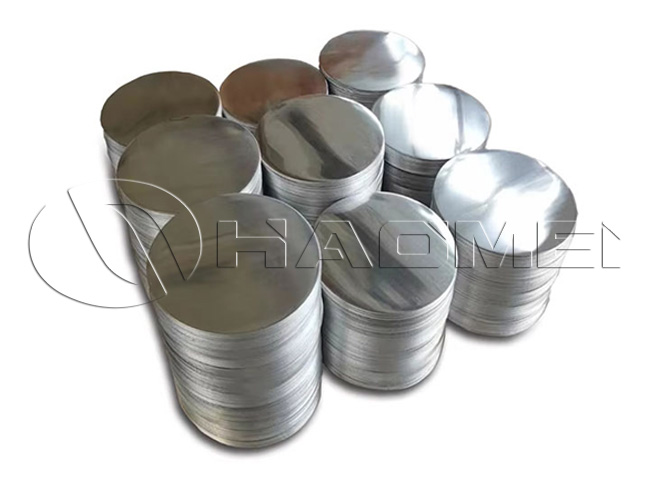
3003 and 3004 anodized aluminum discs, with their excellent alloy properties and outstanding anodizing compatibility, have become a mainstream material choice for mid- to high-end aluminum deep-processing products. They are widely used in applications such as cookware, lighting, and other industrial fields.
3003 aluminum alloy is based on pure aluminum with the addition of approximately 1.0%–1.5% manganese (Mn), giving it about 10% higher strength than pure aluminum (such as the 1100 series). Its key advantages are excellent formability, good weldability, and outstanding corrosion resistance.
As a non-heat-treatable alloy, its mechanical properties are typically enhanced through cold working (for example, H14 temper). This balanced combination of properties makes 3003 an ideal material for low- to medium-load components that require high ductility, good weldability, and resistance to environmental corrosion.
3004 aluminum alloy builds on the composition of 3003 by adding approximately 0.8%–1.3% magnesium (Mg). As a result, its strength is higher than that of 3003 aluminum discs, allowing it to withstand greater stress and deformation. This makes 3004 suitable for applications that require good formability together with higher structural strength.
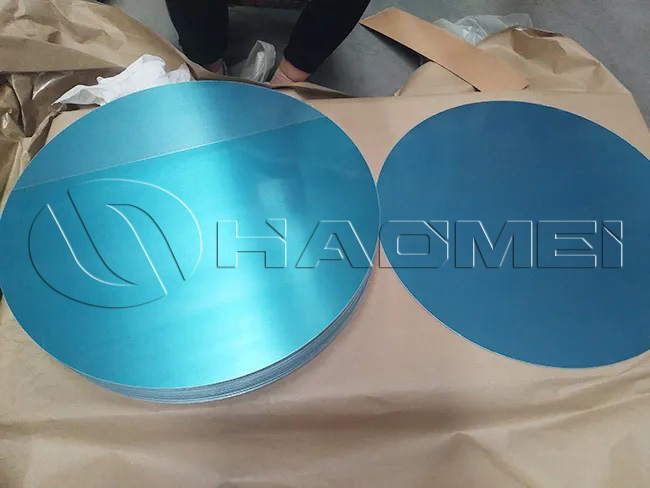
Anodizing is an electrolytic process that forms a dense, chemically stable protective aluminum oxide layer on the surface of the aluminum substrate. This oxide layer is integrally bonded to the aluminum and will not peel or flake off.
The process further enhances aluminum’s natural properties, providing a modern, refined surface appearance along with exceptional corrosion and wear resistance.
Significantly improved corrosion resistance
The anodic oxide layer effectively isolates the aluminum from air and moisture, extending service life in humid or harsh environments.
Excellent decorative appearance
The oxide film is uniform in color and fine in texture. Natural, colored, or sealed finishes are available to meet diverse aesthetic requirements.
Increased surface hardness
After anodizing, surface wear resistance is greatly improved, making the material suitable for products subject to frequent use or long-term exposure.
Environmentally friendly and safe
Anodizing is a physical electrochemical process without harmful coatings, meeting food-grade and environmental protection standards.
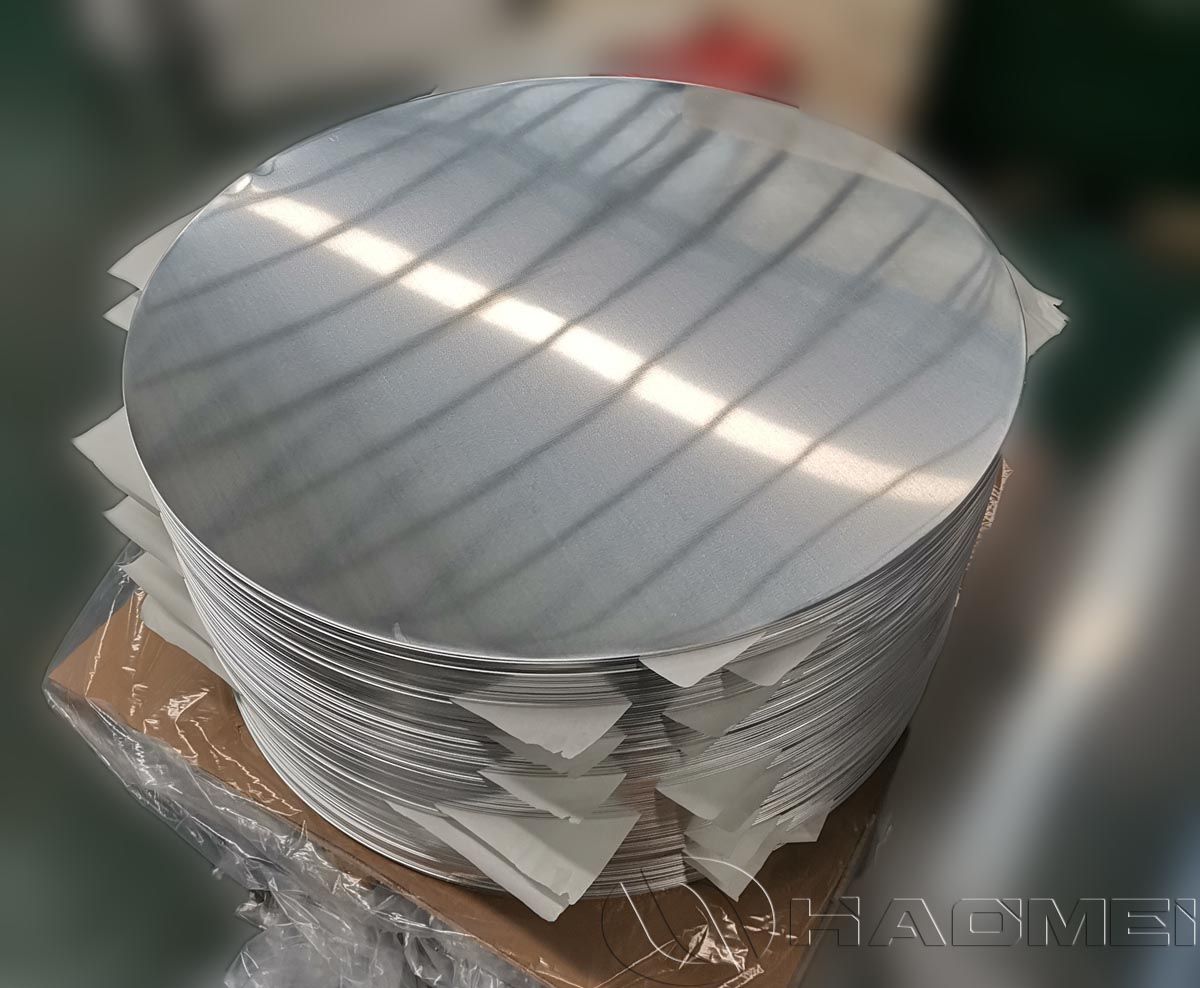
| Alloy | 3003, 3004 |
| Temper | O, H12, H14 |
| Thickness | 0.5 - 6.0 mm |
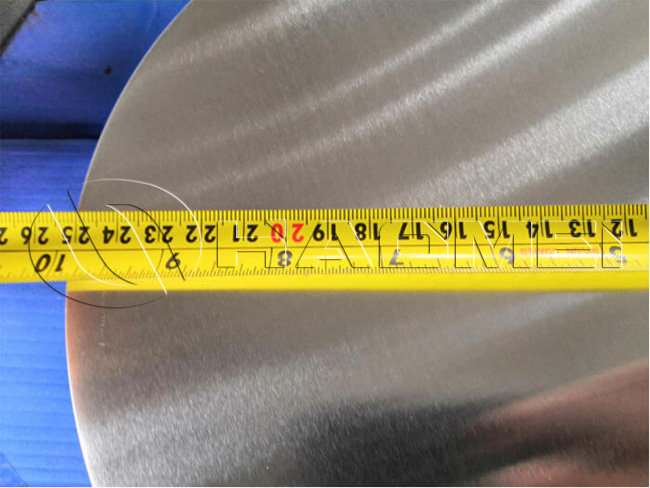
| Diameter | 80 - 1200 mm |
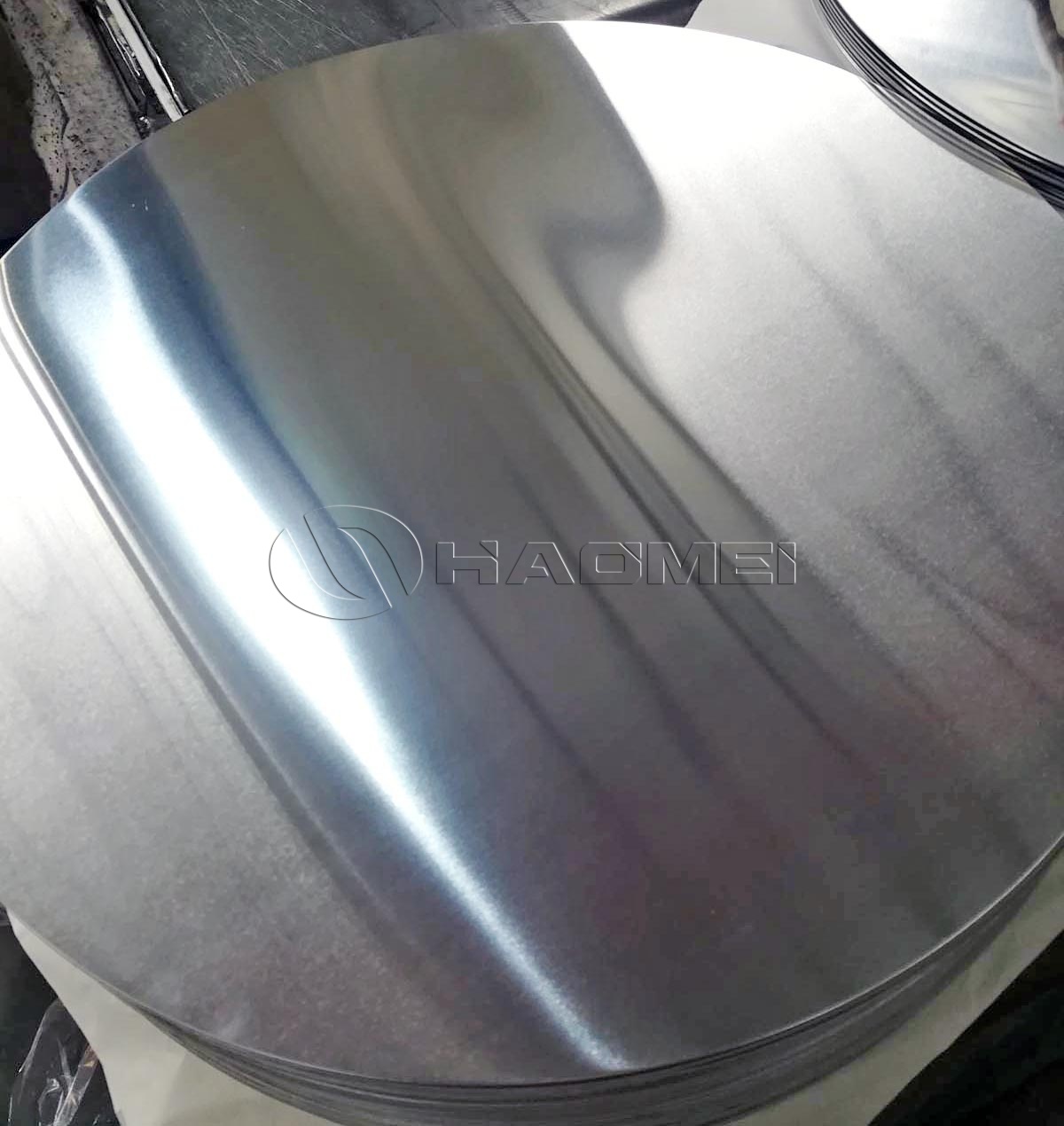
| Surface | Mechanical polishing / Chemical polishing / Anodized |
| Anodic film thickness | 5 - 25 μm (customizable) |
| Flatness | ≤ 0.1 mm |
| Surface roughness | Ra ≤ 0.8 μm |
| Production process | CC / DC |
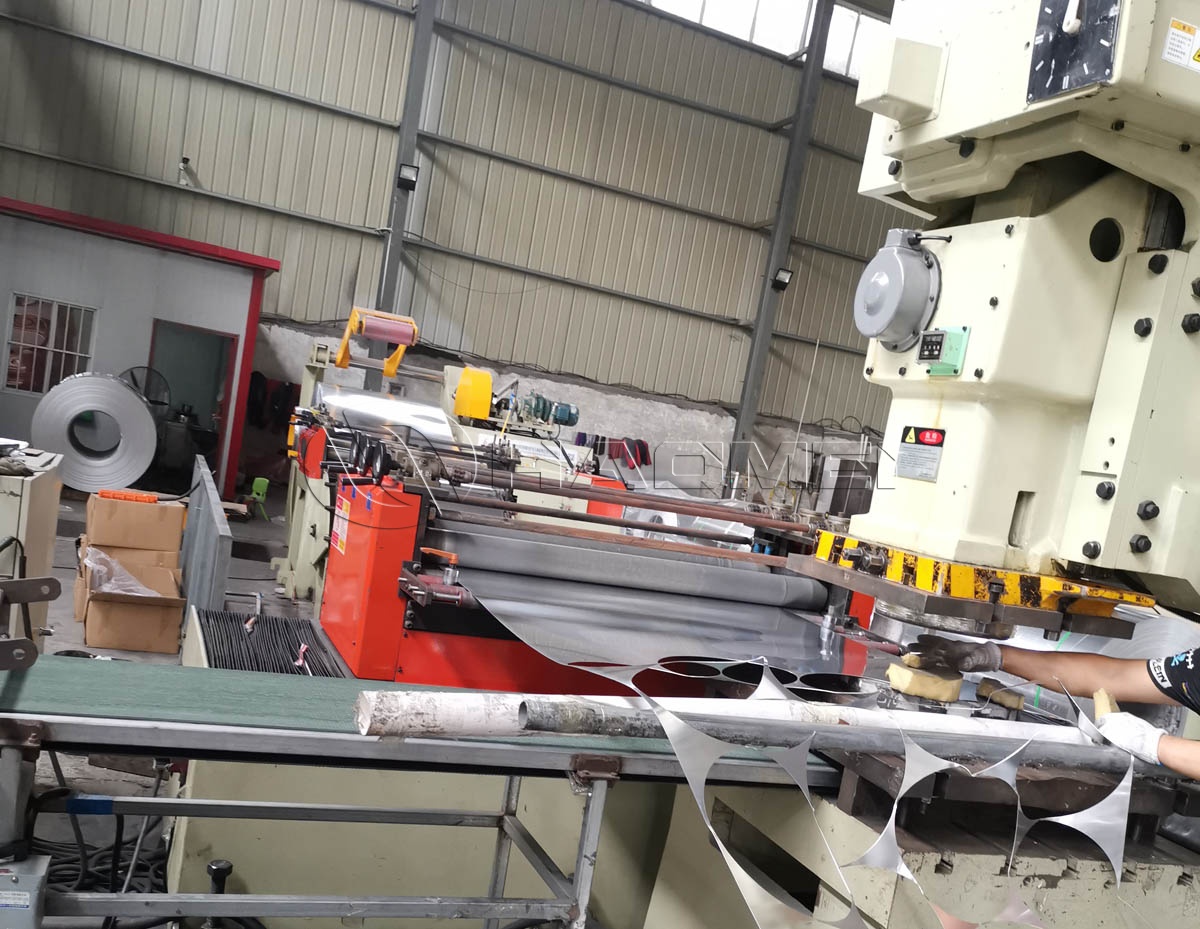
| Edge cutting | Punching / Saw cutting / Precision cutting |
| Processing methods | Deep drawing, spinning, stamping, further machining |
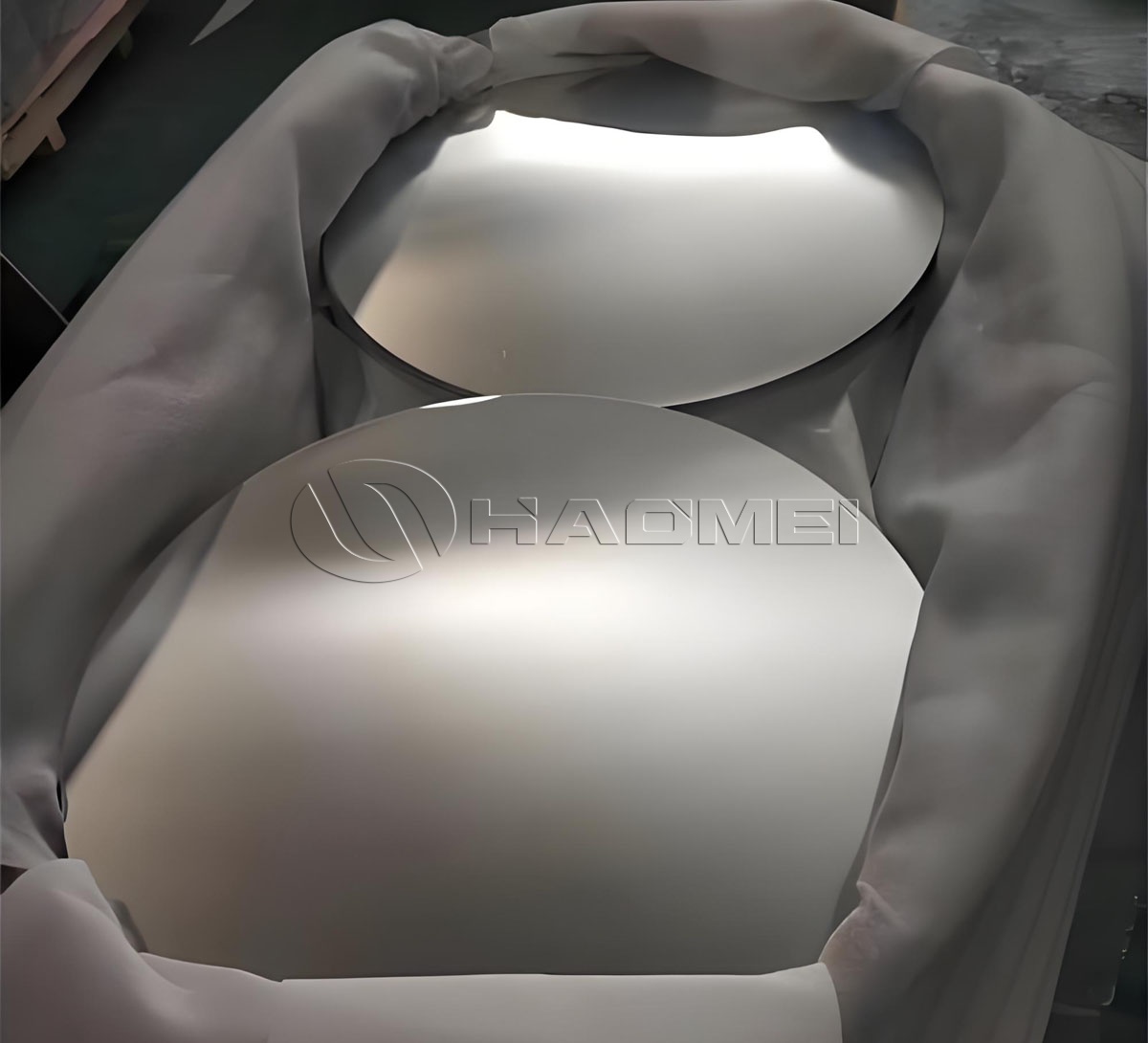
| Packaging | Moisture-proof paper + wooden pallet / wooden case for export |
| MOQ | 1-3 tons |
Chemical Composition
| Alloy | Si | Fe | Cu | Mn | Mg | Cr | Zn | Ti | Other:Each | Other:Total | Al |
| 3003 | 0.6 | 0.7 | 0.05-0.20 | 1.0-1.5 | - | - | 0.1 | 0.25 | 0.05 | 0.15 | remainder |
| 3004 | 0.3 | 0.7 | 0.25 | 1.0-1.5 | 0.8-1.3 | - | 0.1 | - | 0.05 | 0.15 | remainder |
1. Enhanced corrosion resistance
3003 and 3004 alloys already offer good corrosion resistance. After anodizing, the oxide layer further blocks contact with air, moisture, and chemical media, enabling excellent performance in harsh environments such as marine, chemical, and aerospace applications.
2. Improved surface hardness and wear resistance
The hardness of the anodic oxide layer is much higher than that of the aluminum substrate, effectively resisting mechanical wear. This makes it suitable for long-term operating components such as automotive wheels and industrial transmission parts.
3. Diverse decorative effects
Through anodic coloring, a wide range of colors such as gold, silver, and bronze can be achieved while maintaining metallic luster. This is widely used in architectural decoration, electronic enclosures, and artistic products.
4. Environmentally sustainable
The anodizing process does not require harmful solvents and complies with modern green manufacturing requirements.
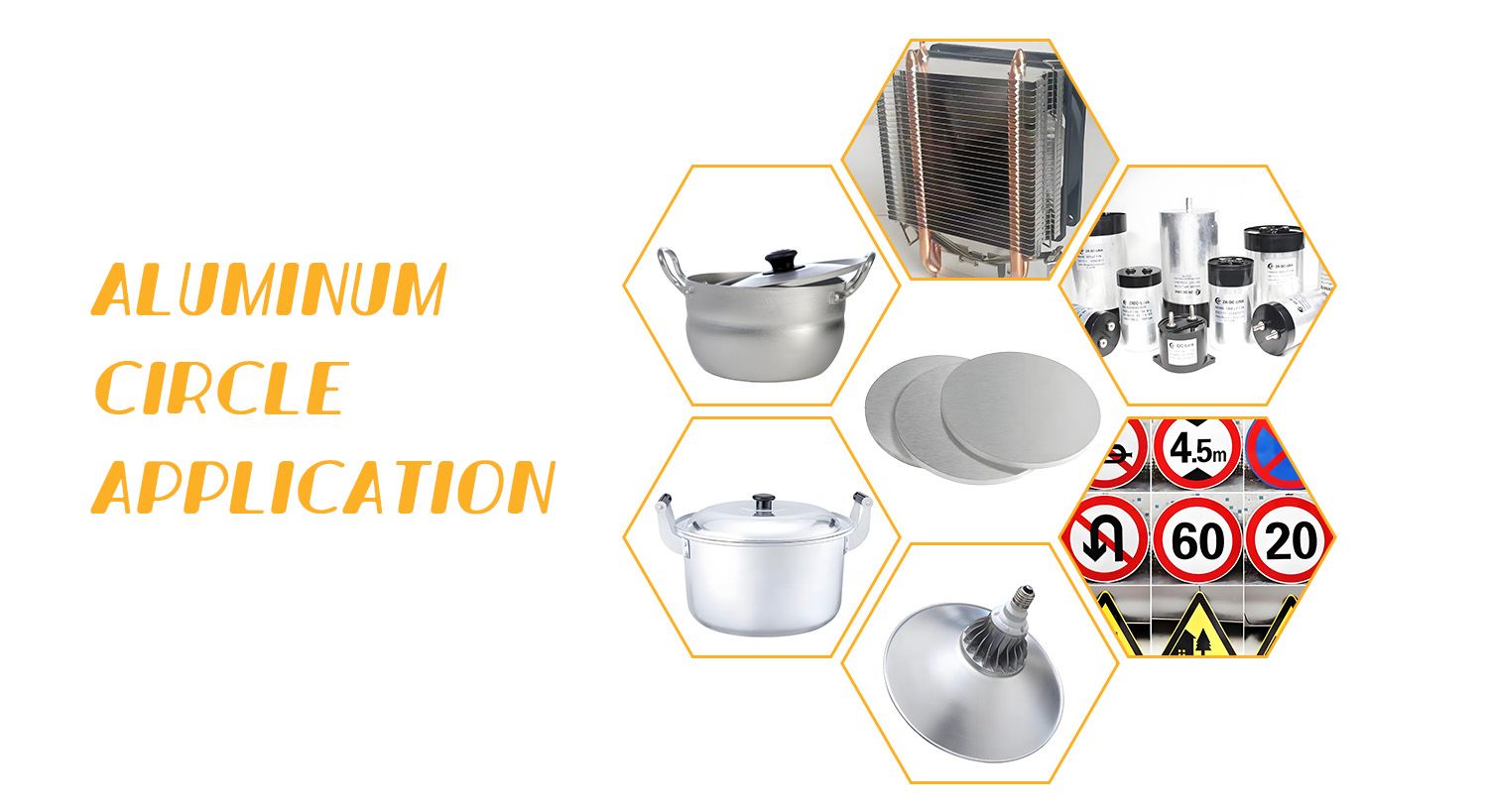
Aluminum cookware: frying pans, pots, pressure cooker bases
Lighting and illumination: lamp shades, reflectors, decorative housings
Home appliance housings: electric heating appliances, kitchen equipment
Industrial components: container end caps, decorative structural parts

Office Address:
No.14 Waihuan Road, CBD, Zhengzhou, China
Contact Us
HAOMEI Aluminum offer an custom aluminum circle for you!
whatsapp: +86-18703635966
Email: sales@alummc.com
Email: alummc@hotmail.com
Request Free Sample & Quotation
Copyright © 2026 By HAOMEI Aluminum CO., LTD. All Rights Reserved. Sitemap
 +86-18703635966
 sales@alummc.com
 8618703635966
