
 No.14 Waihuan Road, CBD, Zhengzhou, China
 +86-18703635966

No.14 Waihuan Road, CBD, Zhengzhou, China
+86-18703635966
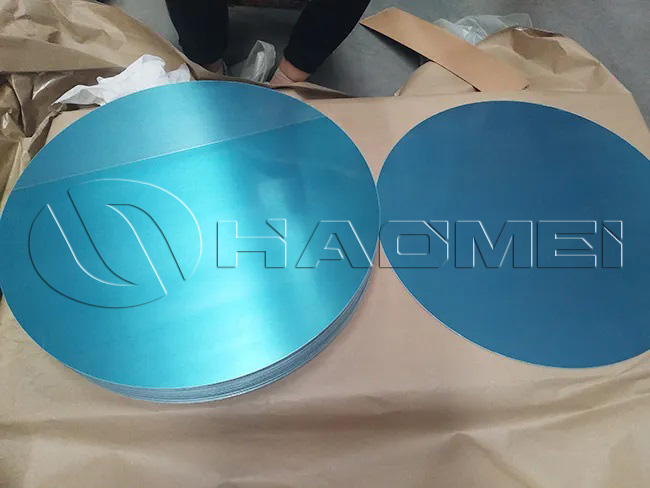
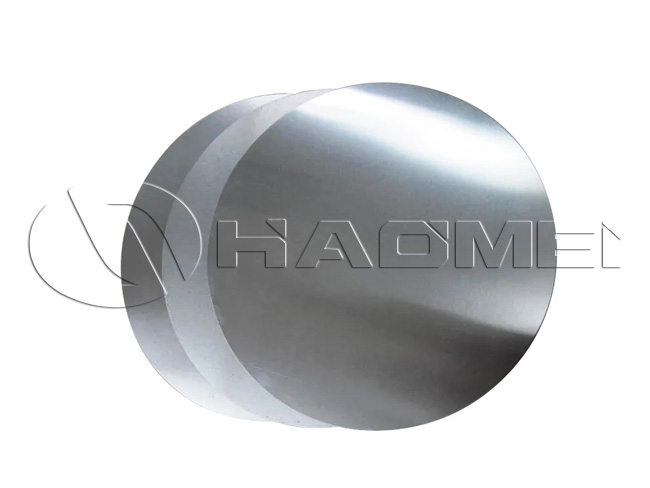
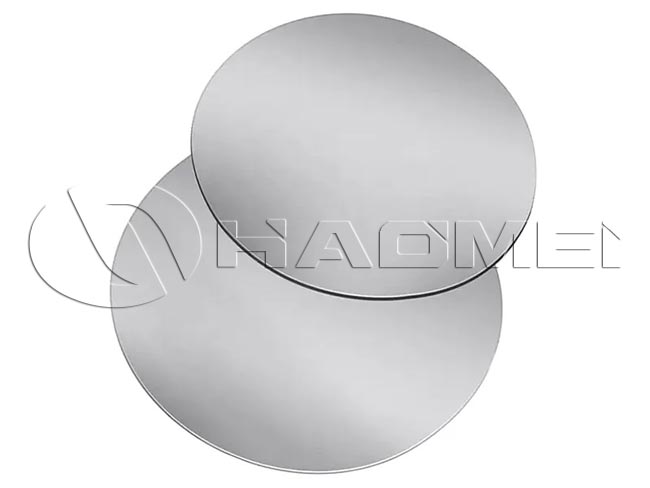
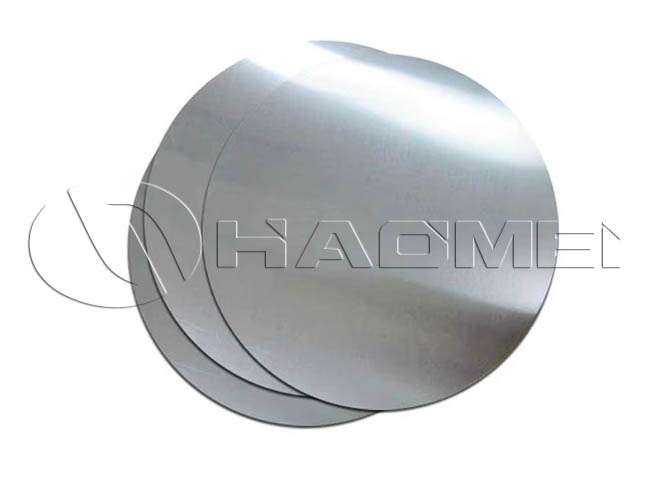
As a manufacturer of aluminum circles and discs, we produce anodized 3003 aluminum discs for decorative products requiring a controlled surface, reliable formability, and consistent dimensional accuracy. These discs are widely used in lighting reflectors, lampshades, decorative covers, furniture components, interior trim, display parts, architectural accessories, and small metal forming applications.
3003 aluminum alloy is an aluminum-manganese alloy with better strength than 1050 or 1060 pure aluminum grades while retaining practical deep drawing and spinning performance. After anodizing, the surface gains a denser aluminum oxide layer that improves appearance, corrosion resistance, and color stability. For decoration manufacturers, this combination provides a balanced material solution for parts that need both visual quality and production efficiency.
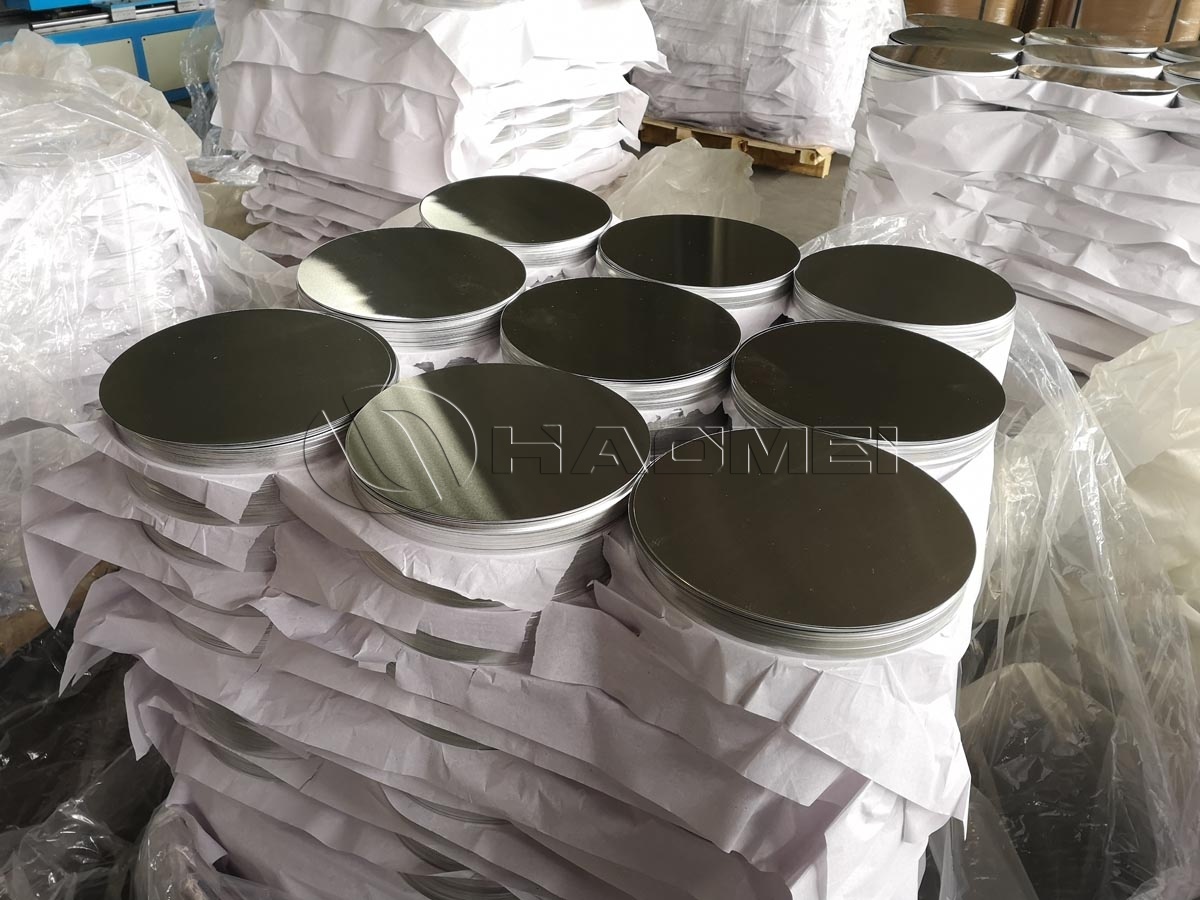
The 3003 aluminum disc is suitable for decorative formed parts because of its moderate mechanical strength, stable grain structure, and good response to conventional fabrication methods. We select qualified 3003 aluminum coil as the base material, then process it through slitting, blanking, deburring, surface preparation, anodizing, inspection, and protective packing.
Compared with soft commercial pure aluminum, 3003 aluminum circle material has improved resistance to deformation during handling and assembly. This is important for decorative housings, shallow drawn covers, and spun lighting components that must maintain their shape after forming. The alloy can also support brushed, satin, matte, polished, or colored anodized finishes, depending on the selected surface route.
Our anodized 3003 aluminum disc production is controlled from coil receipt through final inspection. This allows us to match disc size, temper, surface grade, anodic film requirement, and packaging method to the actual application rather than supplying a generic blank.
Excellent Substrate Compatibility: As an aluminum-manganese alloy, 3003 aluminum offers superior strength and formability compared to pure aluminum due to the addition of a small amount of manganese. This makes it ideal for stamping or spinning into discs, which can then be processed into decorative components. The disc format facilitates subsequent deep drawing or spinning, ensuring high material utilization.
Enhanced Surface Properties via Anodization: Anodizing creates a dense oxide film on the surface, significantly improving hardness and wear resistance while simultaneously enhancing corrosion resistance. For decorative purposes, this oxide film can also be colored to achieve a wide range of aesthetic effects.
Decorative Texture and Ease of Cleaning: Anodized aluminum discs feature a smooth, sleek surface with a distinct metallic quality. They are resistant to dust accumulation and easy to clean, allowing them to maintain their appearance even after long-term use. These characteristics make them well-suited for applications such as decorative kitchenware components, lighting reflectors, signage, and architectural decor.
Corrosion Resistance for Everyday Environments: 3003 aluminum possesses inherent rust resistance, which is further bolstered by the anodized layer. This provides robust surface protection, enabling the material to withstand corrosive factors typically encountered in indoor and outdoor decorative settings.
The following specifications represent our regular manufacturing capability for anodized 3003 aluminum discs. Final specifications can be adjusted according to drawing requirements, forming method, and surface expectations.
| Parameter | Standard Range | Notes |
|---|---|---|
| Alloy | AA 3003 | Aluminum-manganese alloy |
| Temper | O, H12, H14, H16, H18 | O temper is commonly selected for deep drawing and spinning |
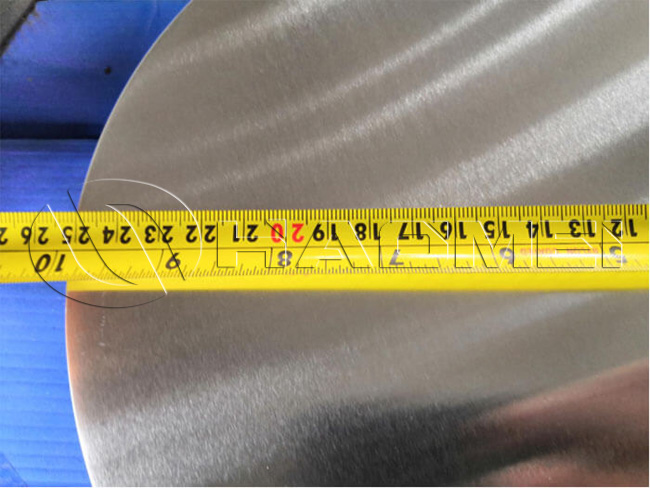
| Disc diameter | 80 mm to 1,200 mm | Custom diameters available after technical review |
| Thickness | 0.40 mm to 4.00 mm | Selected according to forming depth and structural need |
| Diameter tolerance | Typically +/-0.30 mm to +/-1.00 mm | Depends on disc diameter and blanking process |
| Thickness tolerance | According to agreed coil standard | Verified by batch measurement |
| Surface finish | Mill, brushed, satin, polished, anodized | Protective film available when required |
| Anodizing type | Clear, champagne, bronze, black, custom color | Color matching subject to sample approval |
| Anodic film thickness | Typically 5 to 20 microns | Selected according to indoor or protected-use conditions |
| Edge condition | Smooth blanked edge, deburred edge | Suitable for handling and downstream forming |
| Surface quality | Decorative grade | Controlled for scratches, roll marks, stains, and oxidation |
Anodizing is an electrochemical process that converts the natural aluminum surface into a controlled oxide layer. Unlike a coating that sits on top of the metal, the anodic layer is integrated with the aluminum substrate. This makes anodized aluminum circles appropriate for decorative components where the finish must remain clean during fabrication, installation, and normal service.
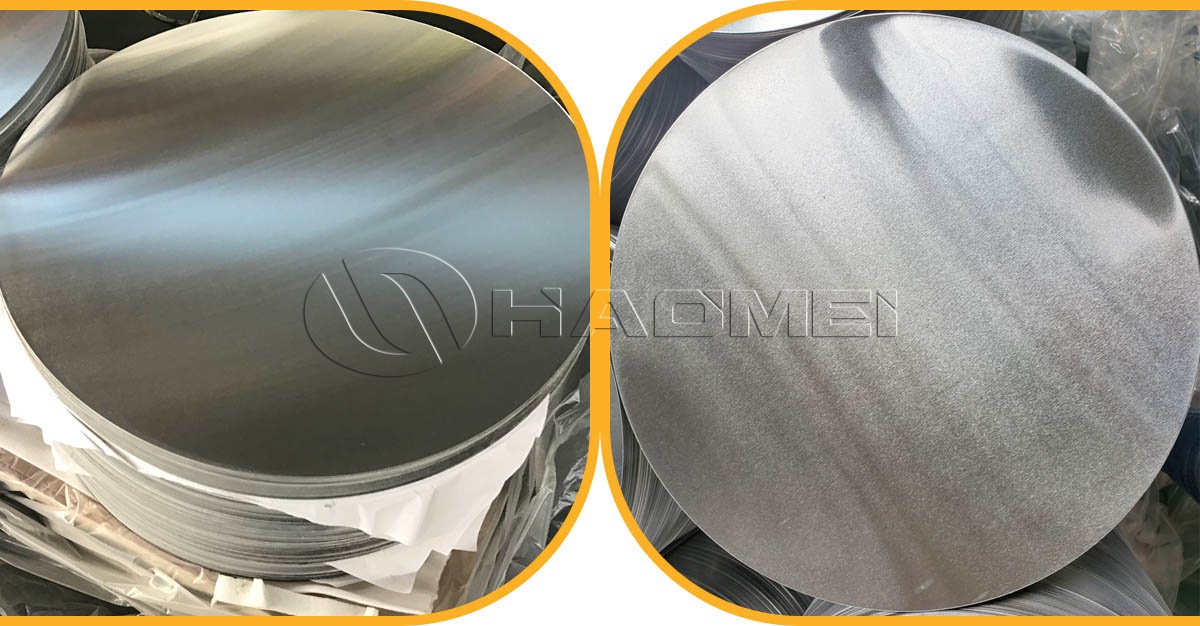
Our production process begins with surface preparation. Depending on the requested appearance, discs may be degreased, chemically etched, brightened, brushed, or mechanically polished before anodizing. Surface preparation has a direct influence on the final visual result. A brushed anodized 3003 aluminum disc will show a directional texture, while a satin finish produces a softer and more uniform decorative appearance.
After pretreatment, the discs enter the anodizing line where voltage, bath concentration, temperature, and processing time are controlled. For colored anodized finishes, we apply electrolytic coloring or dye coloring according to the agreed color standard. The final sealing stage closes the pores of the anodic film and supports stain resistance and color retention.
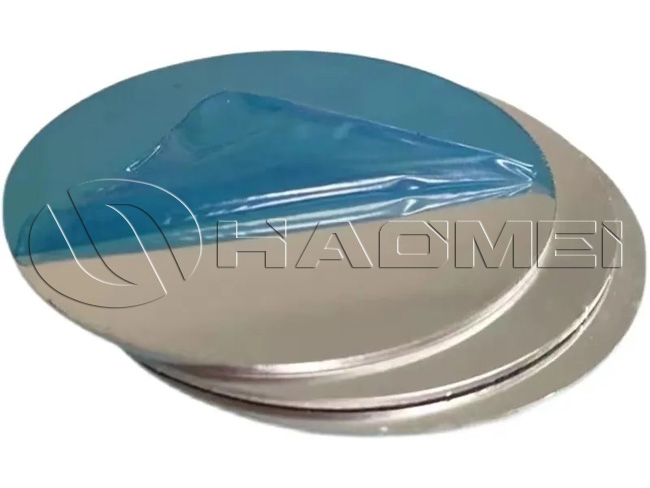
Because anodized surfaces can be affected by handling, we use appropriate separators, protective films, and reinforced export packaging. This is particularly important for visible decorative parts with large exposed surfaces.
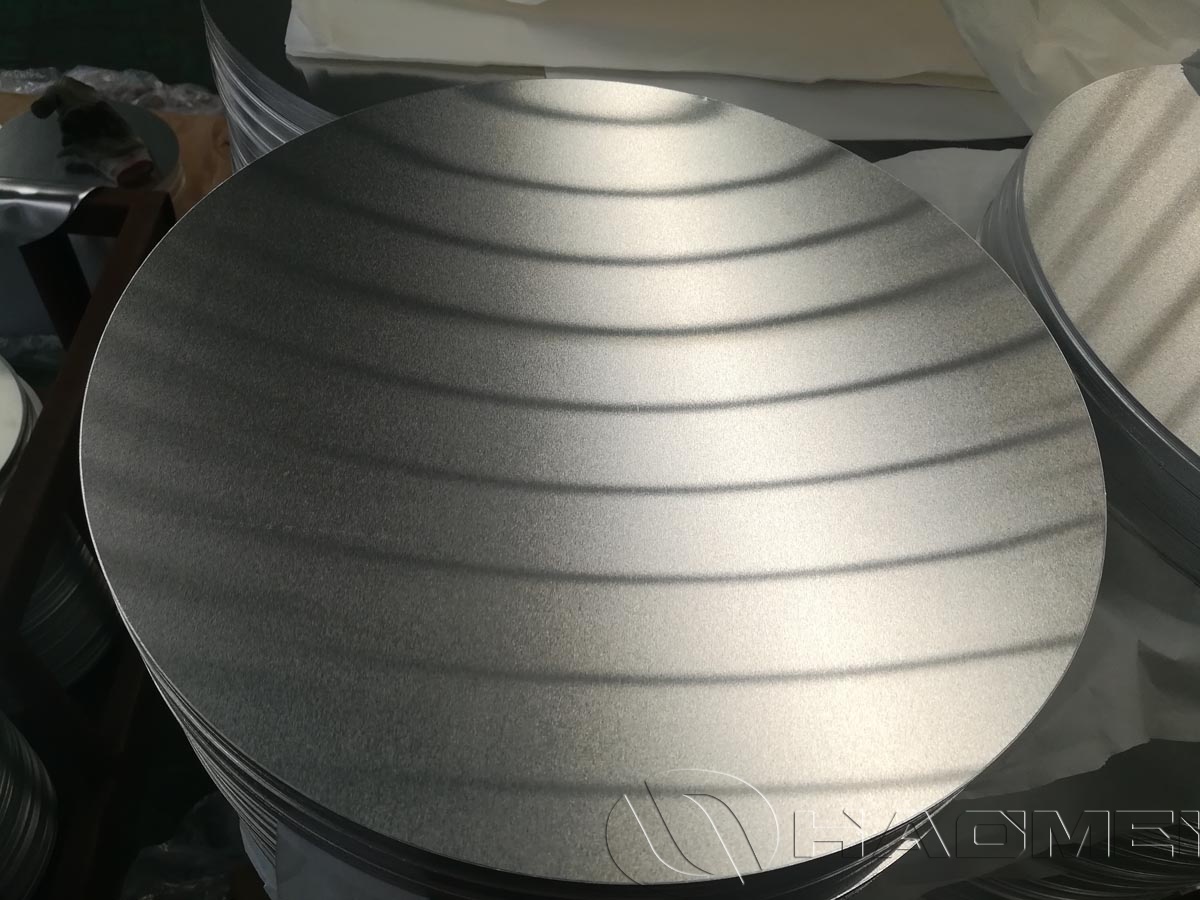
Anodized 3003 aluminum discs can be converted into many finished decorative components. The correct disc thickness and temper should be chosen based on whether the part will be stamped, spun, drawn, embossed, or assembled without substantial forming.
Common applications include:
Lampshades, pendant light covers, and lighting reflector housings.
Decorative ceiling fixtures and wall-mounted lighting components.
Furniture caps, table accessories, and appliance trim panels.
Interior decoration covers, display stands, and signage elements.
Speaker grilles, ventilation covers, and decorative metal enclosures.
Cosmetic packaging components and small household decorative articles.
Architectural accessories used in protected indoor environments.
For lighting applications, the surface requirement may combine appearance and light performance. A clear anodized or bright anodized finish can preserve the metallic character of aluminum, while bronze, black, champagne, or other colors can support a specific interior design direction. Where high reflectivity is the primary requirement, we evaluate the required base finish and advise whether a specialized reflective aluminum material is more suitable than standard anodized 3003.
For buyers sourcing related alloy options, our 3000 Series Aluminum circle range includes materials selected for different strength, forming, and surface requirements.
As an aluminum disc manufacturer, we consider the downstream process before confirming the material. Decorative components are often made by spinning, deep drawing, shallow stamping, pressing, or roll forming. Selecting an unsuitable temper may lead to cracking, orange peel, surface scratching, or uneven deformation.
O temper is generally recommended for deep drawing and spinning because it provides the highest ductility. H12 or H14 temper can be suitable for shallow stamped parts and components that require greater rigidity. For a decorative aluminum disc with a visible anodized surface, customers should also evaluate the forming sequence carefully. In many cases, anodizing after forming provides the most uniform final appearance, especially where the part has a deep profile or a highly visible outer surface.
Pre-anodized discs can be used for flat or lightly formed components. However, substantial deformation after anodizing can affect the oxide layer or alter color uniformity in stretched areas. We can review part drawings, forming depth, tooling method, and finish requirements to recommend whether the disc should be supplied in mill finish, pretreated finish, or fully anodized condition.
Our 3003 Aluminum Circle production can be supplied with specifications tailored for spinning and stamping operations, including controlled surface and edge quality.
Decorative aluminum products require more than dimensional compliance. Our inspection process focuses on mechanical suitability and visual consistency. We inspect incoming coil records, alloy identification, thickness, disc diameter, edge condition, surface cleanliness, and packing integrity.
For anodized 3003 aluminum discs, our quality team also checks the anodic finish against approved samples or agreed visual criteria. Inspection items may include color consistency, film thickness, gloss level, surface marks, water stains, handling scratches, and protective film adhesion where applicable.
| Inspection Item | Control Method | Purpose |
|---|---|---|
| Diameter | Caliper or measuring gauge | Ensures compatibility with forming tools |
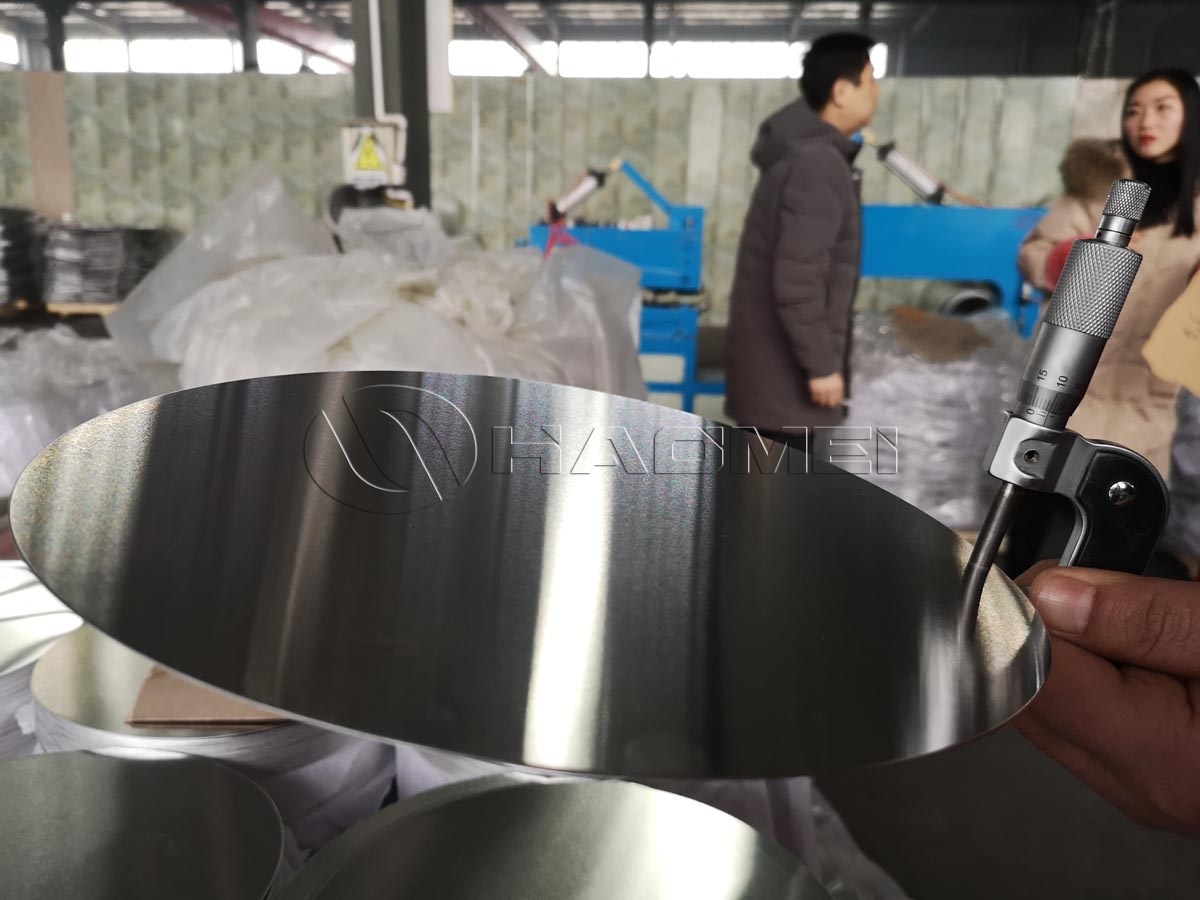
| Thickness | Micrometer measurement | Supports stable forming and assembly |
| Edge quality | Visual and touch inspection | Reduces burr-related handling issues |
| Surface appearance | Visual inspection under controlled lighting | Identifies scratches, stains, and color variation |
| Anodic film thickness | Coating thickness gauge | Confirms agreed anodizing requirement |
| Color consistency | Approved sample comparison | Maintains batch-to-batch decorative uniformity |
| Packaging condition | Final packing inspection | Protects surfaces during international transport |
We manufacture custom aluminum circles for export customers that require stable supply and repeatable decorative quality. To prepare an accurate quotation and production recommendation, we ask buyers to provide the alloy, temper, diameter, thickness, required surface finish, anodized color, film thickness, application, and estimated order quantity.
If the disc will be spun or deep drawn, a drawing or finished-part sample is useful. This information helps us assess blank diameter, material temper, surface protection, and whether the anodizing process should take place before or after forming. For color-critical projects, physical samples or recognized color references are recommended before mass production.
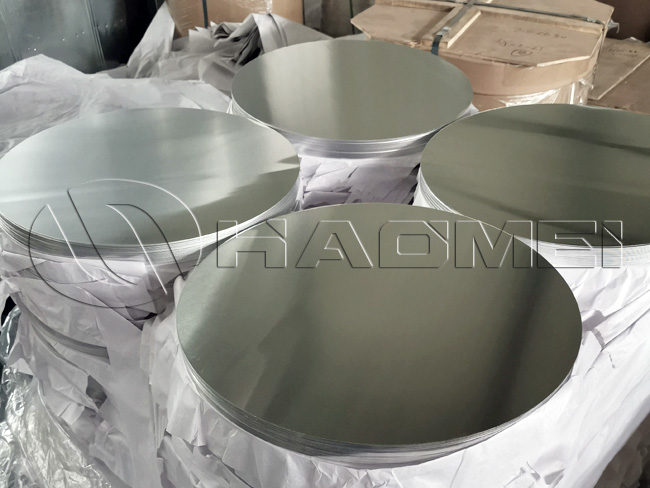
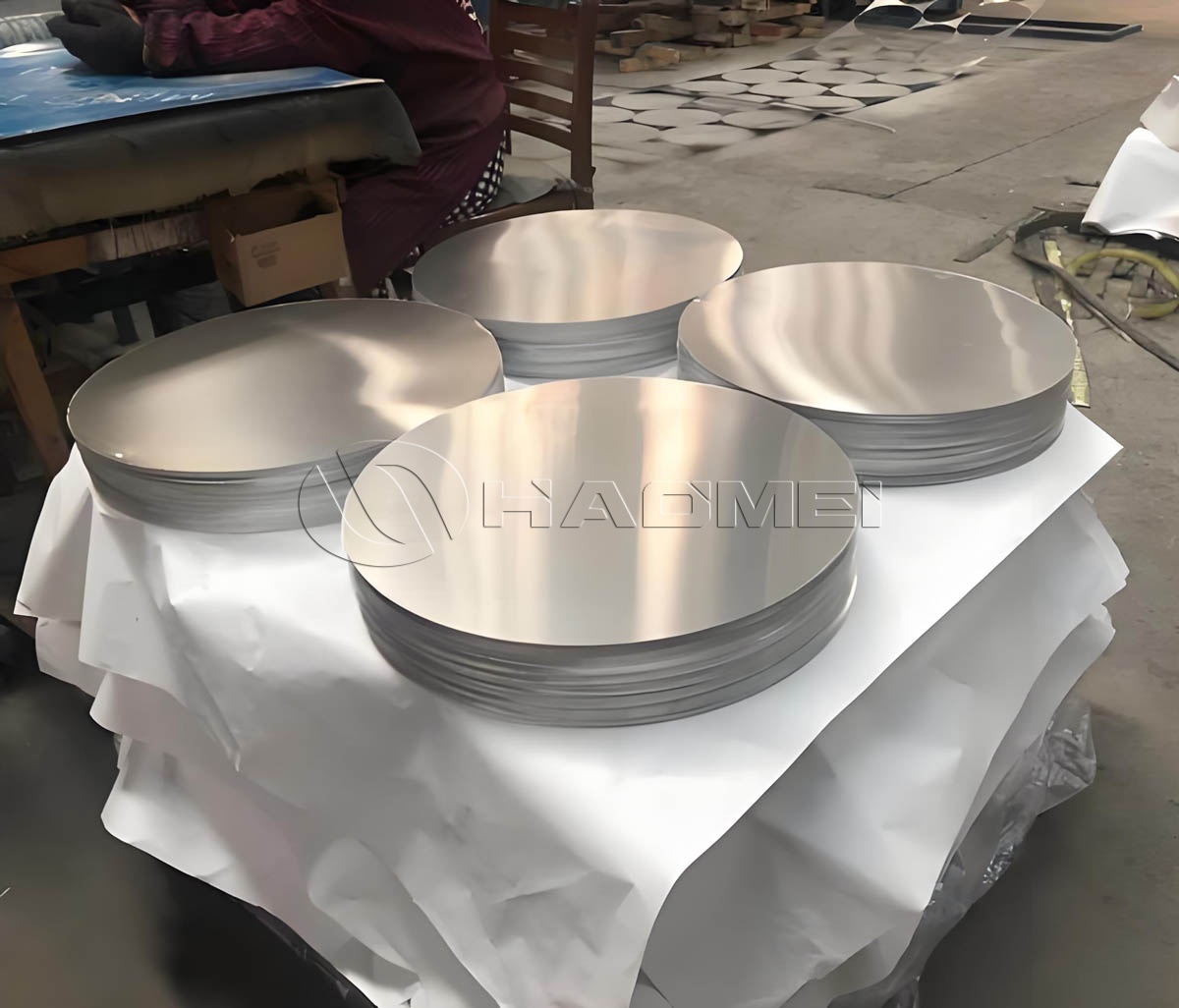
We pack anodized aluminum discs with interleaving paper, protective film when specified, moisture protection, and export-grade pallets or wooden cases. Packaging is designed to reduce friction, oxidation exposure, and edge damage during container transport.
An anodized 3003 aluminum disc for decorations provides a practical balance of strength, formability, corrosion resistance, and refined metallic appearance. By controlling coil selection, blanking accuracy, surface preparation, anodizing conditions, and protective packing within our factory, we deliver decorative aluminum discs suited to lighting, interiors, furniture, display, and formed metal component applications.
For each project, the most reliable result comes from matching the 3003 alloy temper, disc dimensions, anodized finish, and forming method to the final product design. Our manufacturing team can produce the required specification based on technical drawings, approved samples, and application conditions.

Office Address:
No.14 Waihuan Road, CBD, Zhengzhou, China
Contact Us
HAOMEI Aluminum offer an custom aluminum circle for you!
whatsapp: +86-18703635966
Email: sales@alummc.com
Email: alummc@hotmail.com
Request Free Sample & Quotation
Copyright © 2026 By HAOMEI Aluminum CO., LTD. All Rights Reserved. Sitemap
 +86-18703635966
 sales@alummc.com
 8618703635966
