
 No.14 Waihuan Road, CBD, Zhengzhou, China
 +86-18703635966

No.14 Waihuan Road, CBD, Zhengzhou, China
+86-18703635966
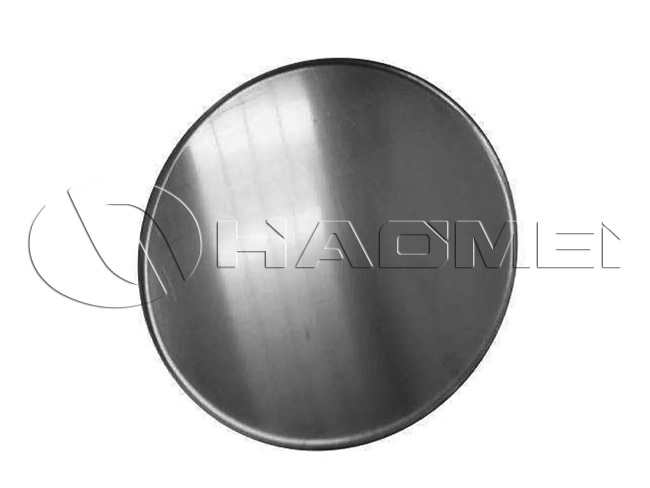
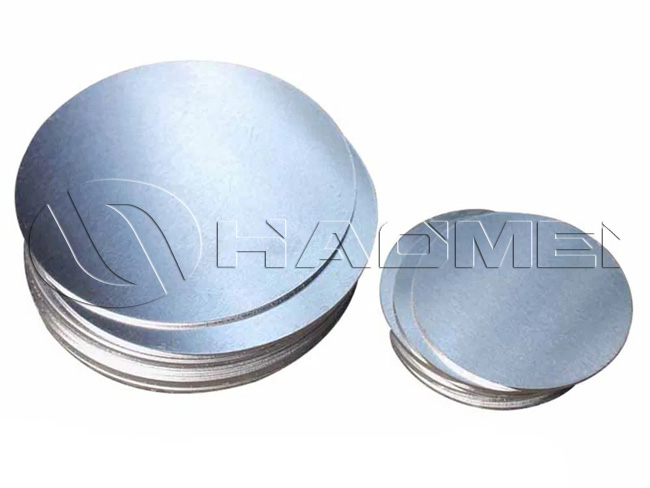
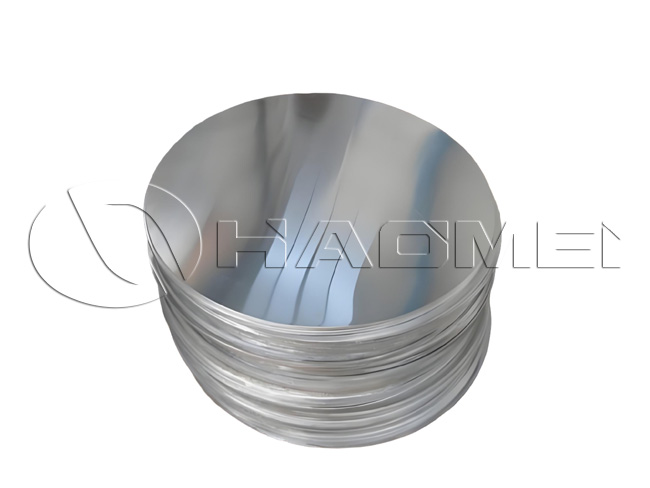
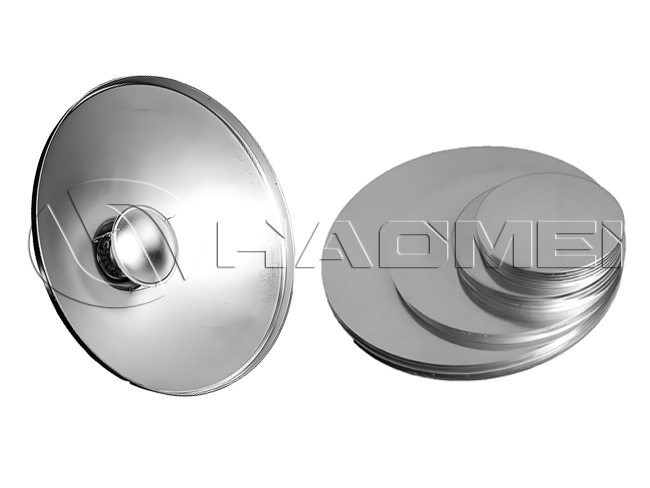
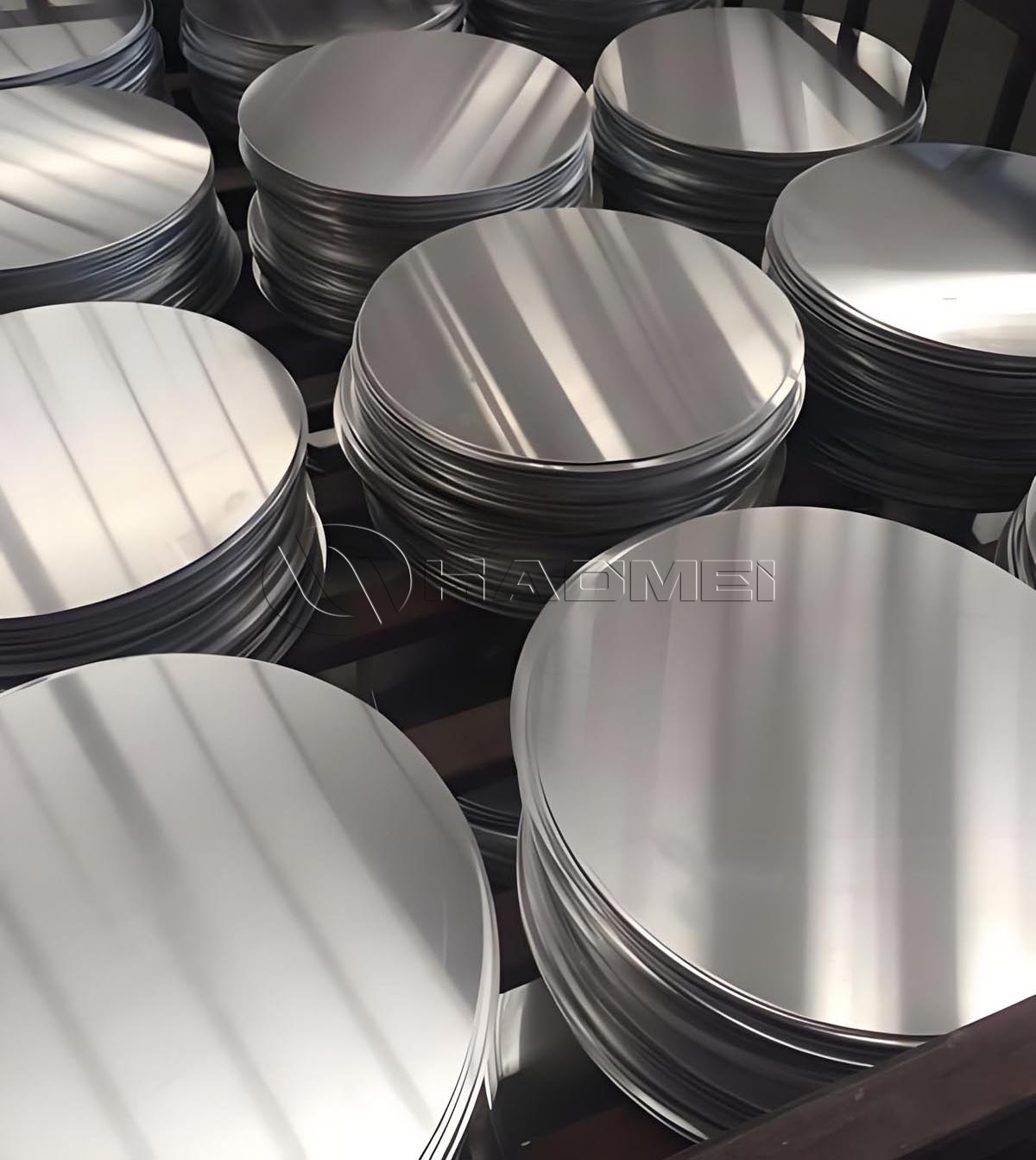
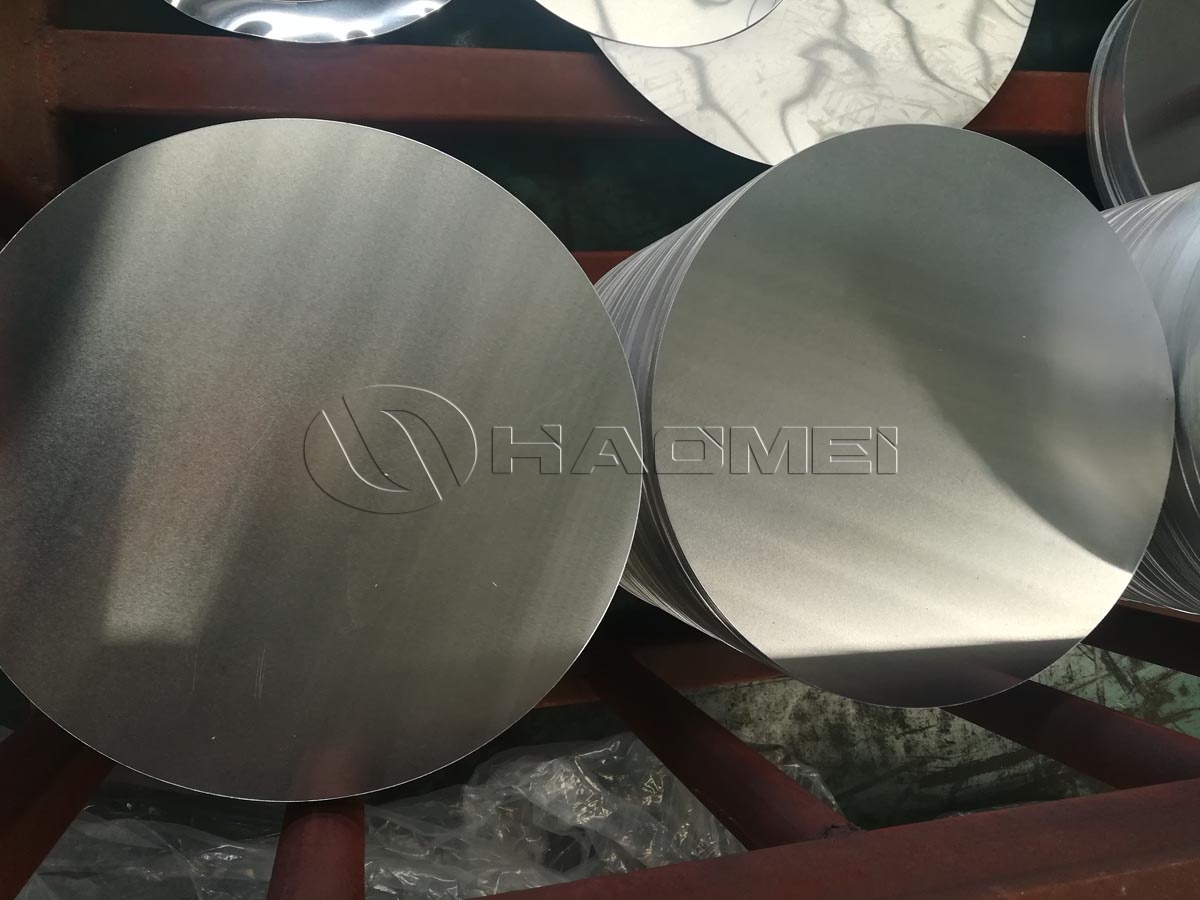
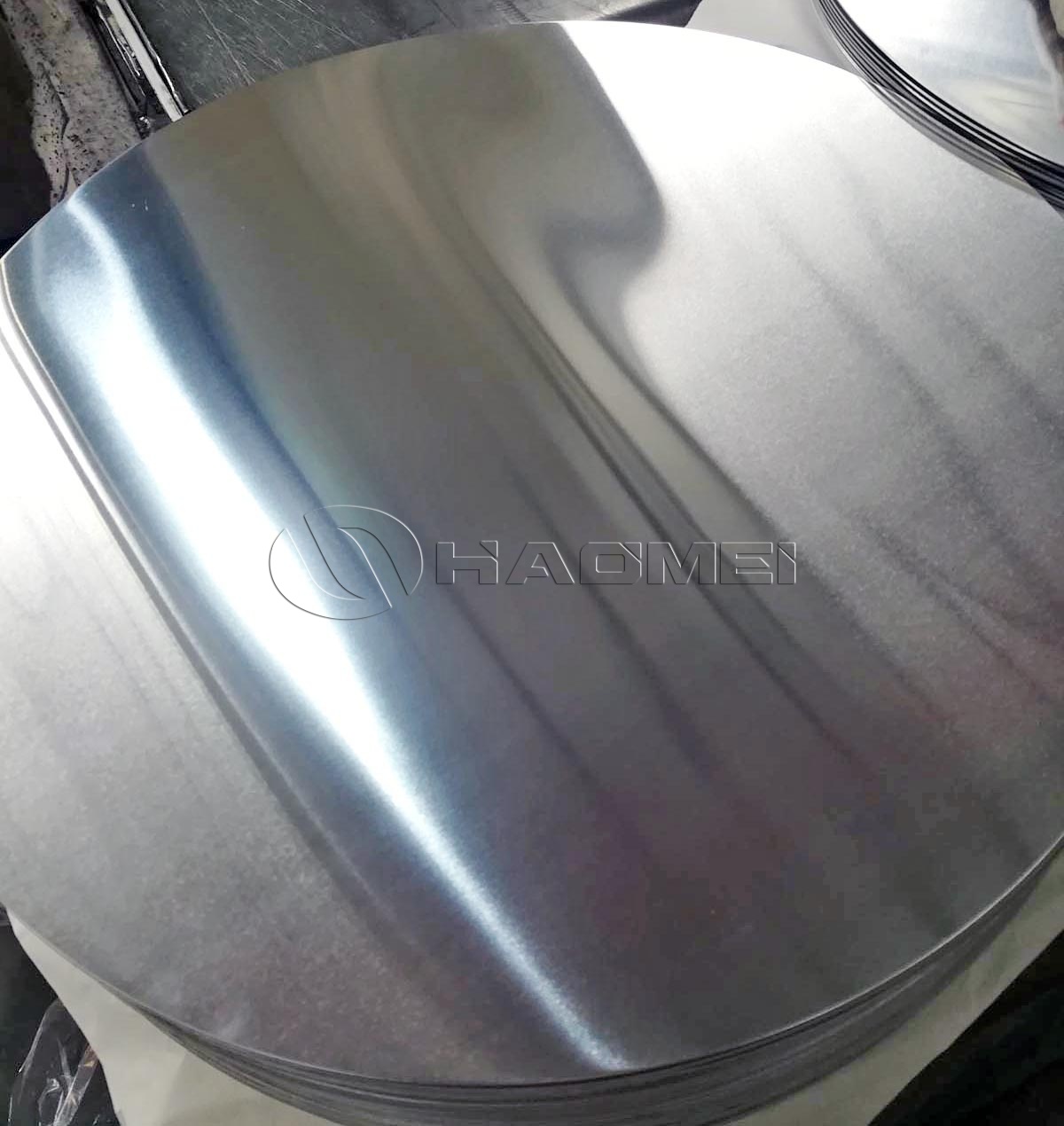
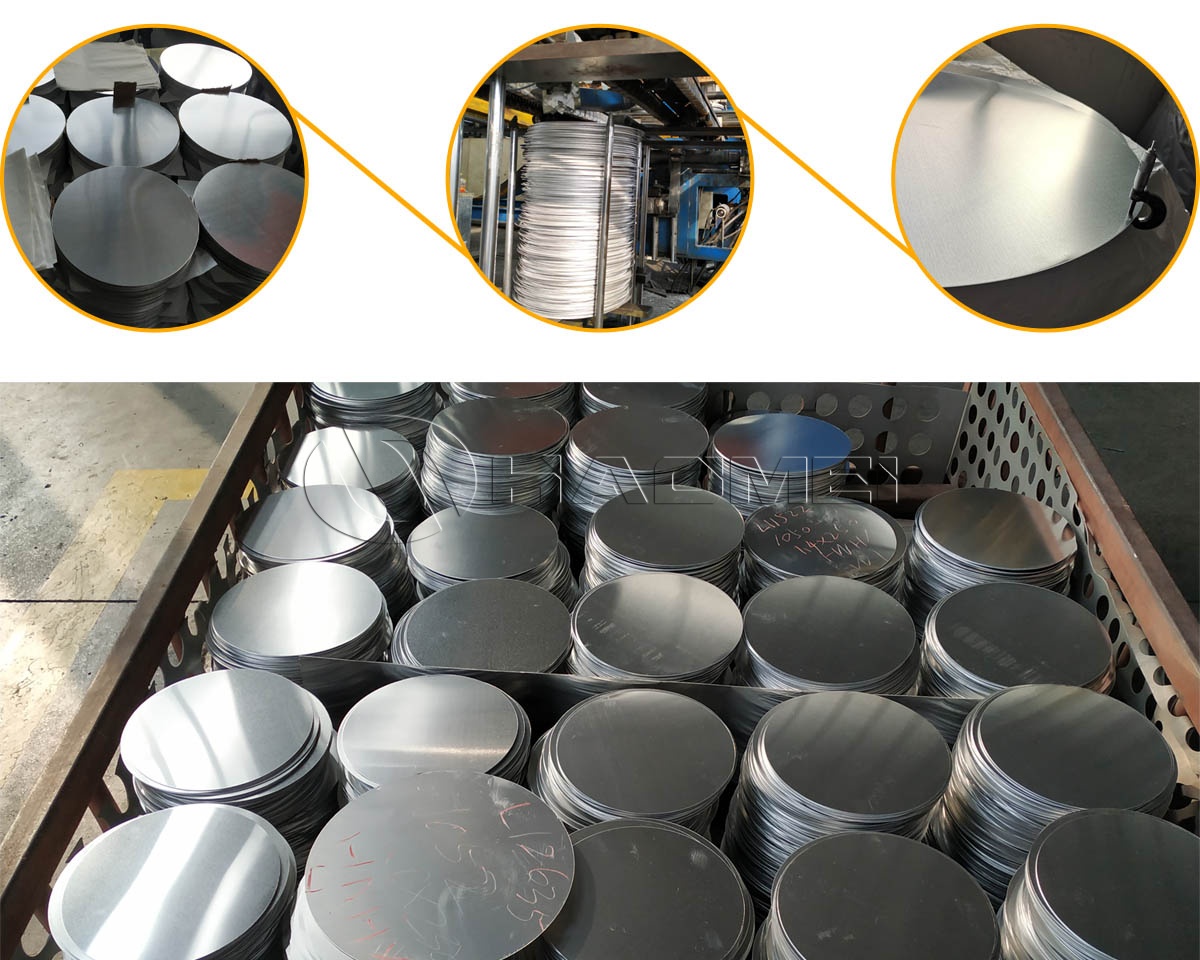
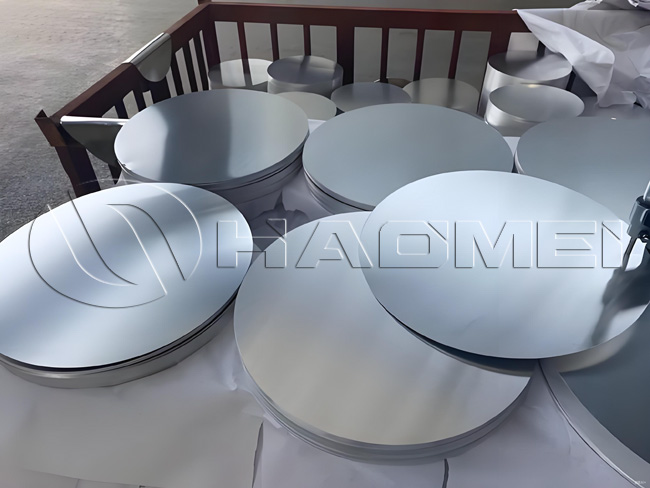
As an aluminum circle manufacturer, we produce both CC aluminum circles and DC aluminum discs for kitchenware manufacturers that require stable deep drawing performance, clean surfaces, controlled thickness tolerance, and reliable delivery. Aluminum circles, also called aluminum discs or aluminum round blanks, are widely used in cookware and kitchenware because aluminum offers good thermal conductivity, low weight, corrosion resistance, and excellent formability.
In kitchenware production, the blank quality directly affects the finished product. A cookware aluminum circle must withstand spinning, stamping, deep drawing, impact bonding, anodizing, polishing, and non-stick coating processes. For this reason, we control the complete manufacturing route from aluminum coil selection and rolling to blanking, annealing, surface inspection, and packing.
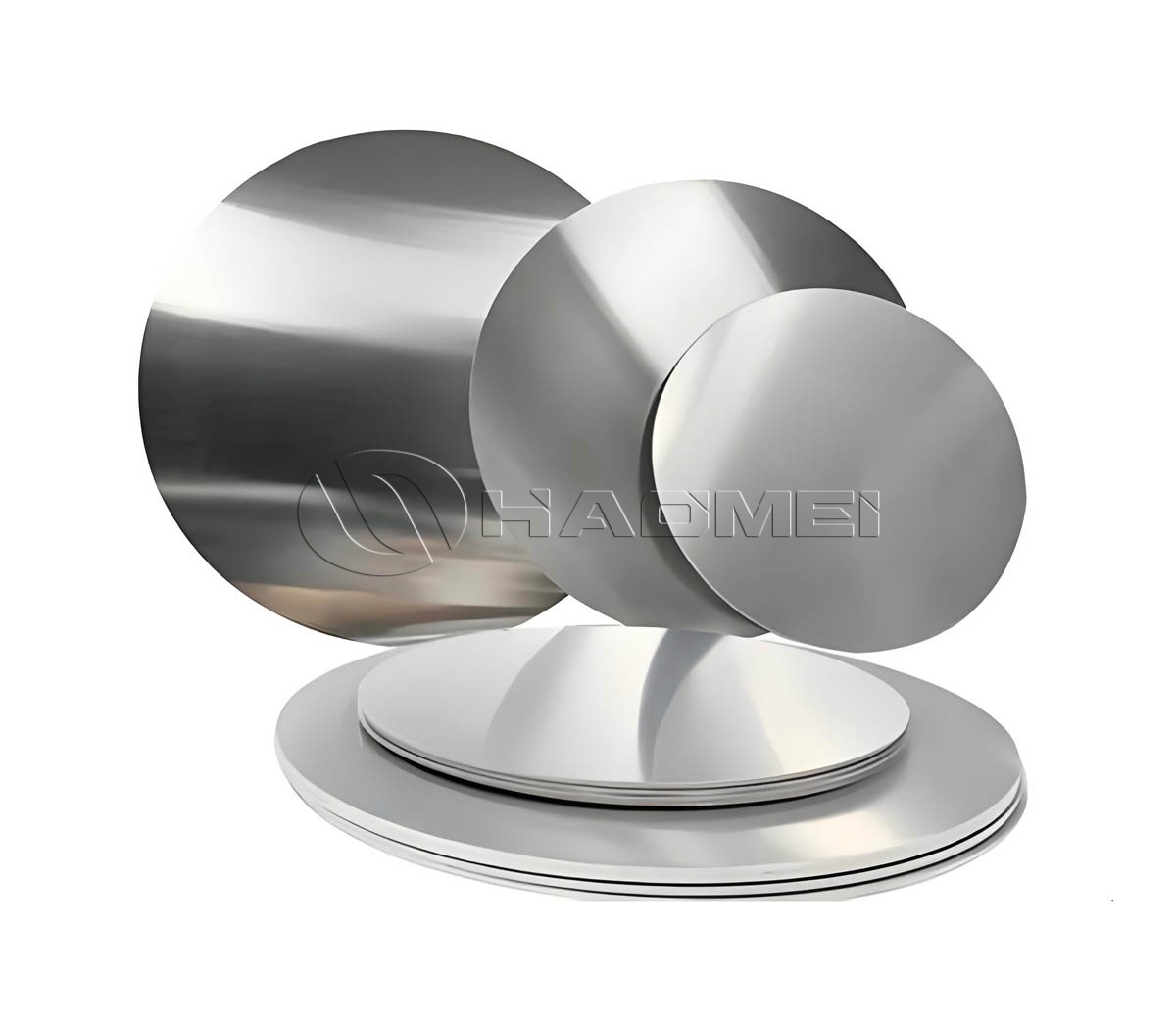
CC aluminum circle refers to aluminum discs produced from continuous cast coil. The CC route is efficient and suitable for many general cookware applications, especially where good forming performance and competitive cost are required. CC aluminum circles are commonly used for frying pans, shallow pots, lids, rice cooker inner pots, and general kitchen utensils.
DC aluminum disc refers to aluminum circles made from direct chill cast slab, which is hot rolled and cold rolled before blanking. The DC route provides a more uniform internal structure, better elongation, and improved deep drawing performance. It is preferred for high-end cookware, deeper pots, pressure cooker bodies, hard anodized cookware, and products requiring more demanding surface quality.
As a factory, we do not treat CC and DC as simple price levels. The correct selection depends on the drawing depth, cookware design, surface treatment, coating process, and customer equipment. Our technical team reviews these requirements before recommending the most suitable aluminum circle for cookware production.
Aluminum has long been one of the preferred materials for cookware and kitchenware because it conducts heat quickly and evenly. This helps reduce hot spots during cooking and improves energy efficiency. Compared with steel, aluminum is lighter, easier to form, and suitable for multiple surface treatments.
For kitchenware manufacturers, aluminum circles offer several production advantages:
Good plasticity for stamping, spinning, and deep drawing.
Uniform heat transfer for pots, pans, kettles, and cooker inserts.
Compatibility with polishing, anodizing, hard anodizing, and coating.
Good corrosion resistance in normal kitchen environments.
Flexible alloy and temper choices for different forming depths.
Stable dimensional accuracy for automated production lines.
We manufacture Aluminum Circles for Cookware according to the forming method, finished product shape, and surface requirement of the buyer. This allows cookware factories to reduce cracking, orange peel, earing, and excessive trimming loss during production.
CC and DC aluminum circles are used in a wide range of kitchenware products. The most common applications include frying pans, saucepans, stock pots, woks, milk pots, pressure cookers, rice cooker inner pots, kettle bodies, lids, bakeware, and utensil bases.
For shallow products such as pan bodies and lids, CC aluminum circle can often meet production requirements when the alloy, temper, and annealing condition are properly controlled. For deeper drawn items, DC aluminum disc is usually more suitable due to its stable grain structure and higher elongation.
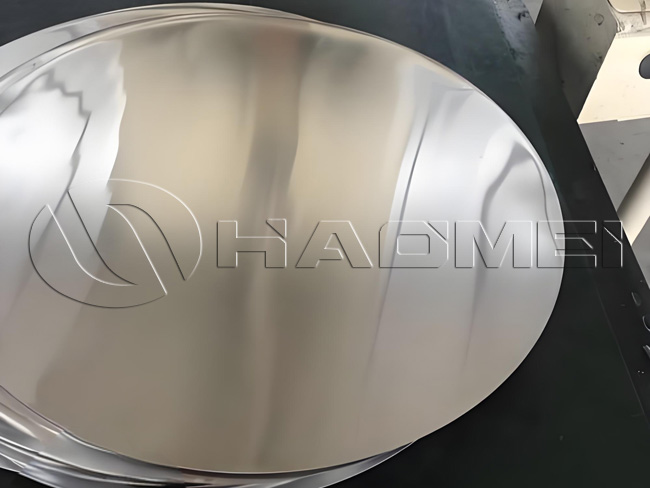
For non-stick cookware, surface condition is especially important. The aluminum disc surface must be free from oil stains, heavy scratches, black spots, oxidation marks, and embedded particles. A clean surface helps improve coating adhesion and reduces defects after spraying and curing.
For anodized cookware, chemical composition and surface consistency are important. Some manufacturers choose 3003 aluminum circle or 3004 aluminum disc when better strength and corrosion resistance are needed. For products requiring excellent formability, 1050, 1060, and 1070 aluminum circles remain widely used.
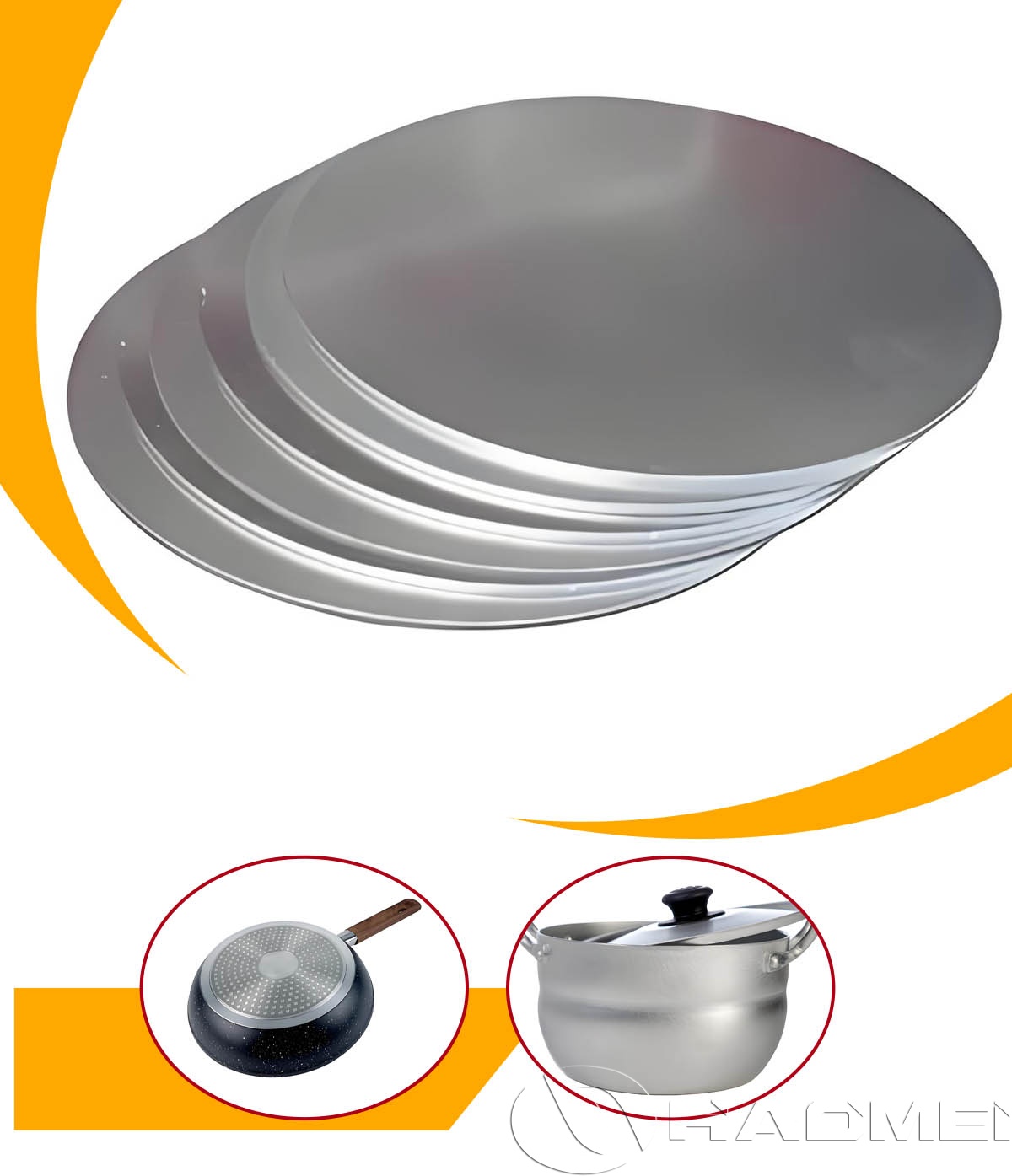
We produce kitchenware aluminum discs in several common alloy series. Each alloy has different mechanical characteristics and application ranges.
1050 and 1060 aluminum circles provide high purity, excellent formability, and good thermal conductivity. They are widely used in general cookware, lids, utensils, and shallow drawn parts. 1070 aluminum circle offers higher aluminum content and is suitable for applications requiring improved conductivity and a clean surface.
3003 aluminum circle contains manganese, which improves strength while maintaining good workability. It is often used for pots, pans, pressure cooker parts, and hard anodized cookware. 3004 aluminum disc provides higher strength than 3003 and is used for deeper or more demanding kitchenware components.
In our production, alloy selection is matched with temper selection. A suitable alloy without the correct temper may still cause cracking or poor forming. Therefore, annealing control is one of the key stages in our aluminum circle factory.
The following table shows common technical parameters for CC and DC aluminum circles used in kitchenware production. Final specifications can be adjusted according to customer drawings, forming equipment, and inspection standards.
| Item | Common Specification |
|---|---|
| Product name | CC aluminum circle, DC aluminum disc, aluminum circle for cookware |
| Production route | Continuous casting rolling, direct chill casting hot rolling |
| Alloy | 1050, 1060, 1070, 1100, 3003, 3004 |
| Temper | O, H12, H14, H16, H18, H22, H24 |
| Thickness | 0.4 mm to 6.0 mm |
| Diameter | 80 mm to 1200 mm, customized by drawing |
| Diameter tolerance | Typically +/-0.5 mm to +/-2.0 mm, depending on size |
| Thickness tolerance | Controlled according to order standard and rolling range |
| Surface | Mill finish, bright finish, degreased surface, anodizing quality surface |
| Edge condition | Smooth edge, burr controlled, no serious edge cracks |
| Forming process | Spinning, stamping, deep drawing, impact forming |
| Surface treatment after forming | Polishing, anodizing, hard anodizing, non-stick coating, painting |
| Packing | Wooden pallet, moisture-proof paper, plastic film, steel strap |
| Inspection | Chemical composition, thickness, diameter, surface, hardness, deep drawing test when required |
CC aluminum circles are produced from continuous cast aluminum coil. After casting and rolling, the coil is cold rolled to the required thickness, annealed when necessary, leveled, and punched into round blanks. This process is suitable for large-volume cookware production where the forming depth is moderate and cost control is important.
The main advantages of CC aluminum circle are efficient production, stable supply, good surface for general kitchenware, and suitable mechanical properties for many cookware products. In factory practice, CC material is frequently selected for lids, shallow pans, baking trays, rice cooker components, and general household utensils.
However, CC material must be evaluated carefully for deep drawing. If the cookware shape has a high height-to-diameter ratio, sharp corner radius, or severe deformation, we usually recommend a trial forming test before mass production. Through proper annealing and leveling, we can improve forming consistency and reduce defects in customer production.
DC aluminum discs are made from direct chill cast slabs. The slab is homogenized and hot rolled before cold rolling and blanking. This manufacturing route improves metallurgical uniformity and helps achieve better elongation and deeper drawing capability.
DC aluminum disc is suitable for high-quality cookware products such as deep pots, pressure cooker bodies, premium non-stick pans, hard anodized cookware, and products requiring a consistent surface after polishing. For demanding cookware production, DC material may reduce cracking, earing, and uneven deformation.
When customers require hot rolling quality and improved internal structure, we may recommend a Hot Rolled Aluminum Circle made from the DC route. This is especially useful when the final product requires higher reliability in deep drawing or anodizing.
Our aluminum circle production begins with raw material inspection. Aluminum ingots, slabs, or coils are checked according to chemical composition and production plan. For CC products, the continuous cast coil is rolled to the required gauge. For DC products, the slab is hot rolled and then cold rolled to the required thickness.
After rolling, coils are annealed according to the target temper. The annealing process is critical for cookware aluminum circles because it determines softness, elongation, and forming behavior. We control furnace temperature, holding time, loading method, and cooling conditions.
The coil is then leveled and fed into blanking equipment. Round blanks are punched with controlled diameter tolerance and edge quality. During production, operators inspect surface defects, burrs, size deviation, and flatness. Finished circles are cleaned or protected as required before packing.
Our process is designed for consistency rather than only output speed. Stable mechanical properties and clean surfaces are more valuable to cookware manufacturers than short-term cost reduction, because defects at the blank stage can create high losses in stamping, coating, and final assembly.
Kitchenware manufacturers require aluminum circles that perform reliably in repeated production. For this reason, our quality control covers both visible and internal properties.
Surface inspection checks scratches, stains, rolling marks, oxidation, oil residue, and edge defects. Dimensional inspection includes thickness, diameter, roundness, and flatness. Mechanical testing can include tensile strength, elongation, hardness, and cupping or deep drawing evaluation when requested.
For cookware applications, we pay particular attention to earing performance and cracking risk. Earing can increase trimming waste and affect production efficiency. Cracking may occur if the alloy, temper, lubrication, or forming design is not suitable. By controlling rolling and annealing, we help customers maintain stable forming performance.
Packing is also part of quality control. Aluminum circles are separated and protected to reduce friction marks during transport. Moisture-proof materials are used to reduce the risk of oxidation during sea shipment.
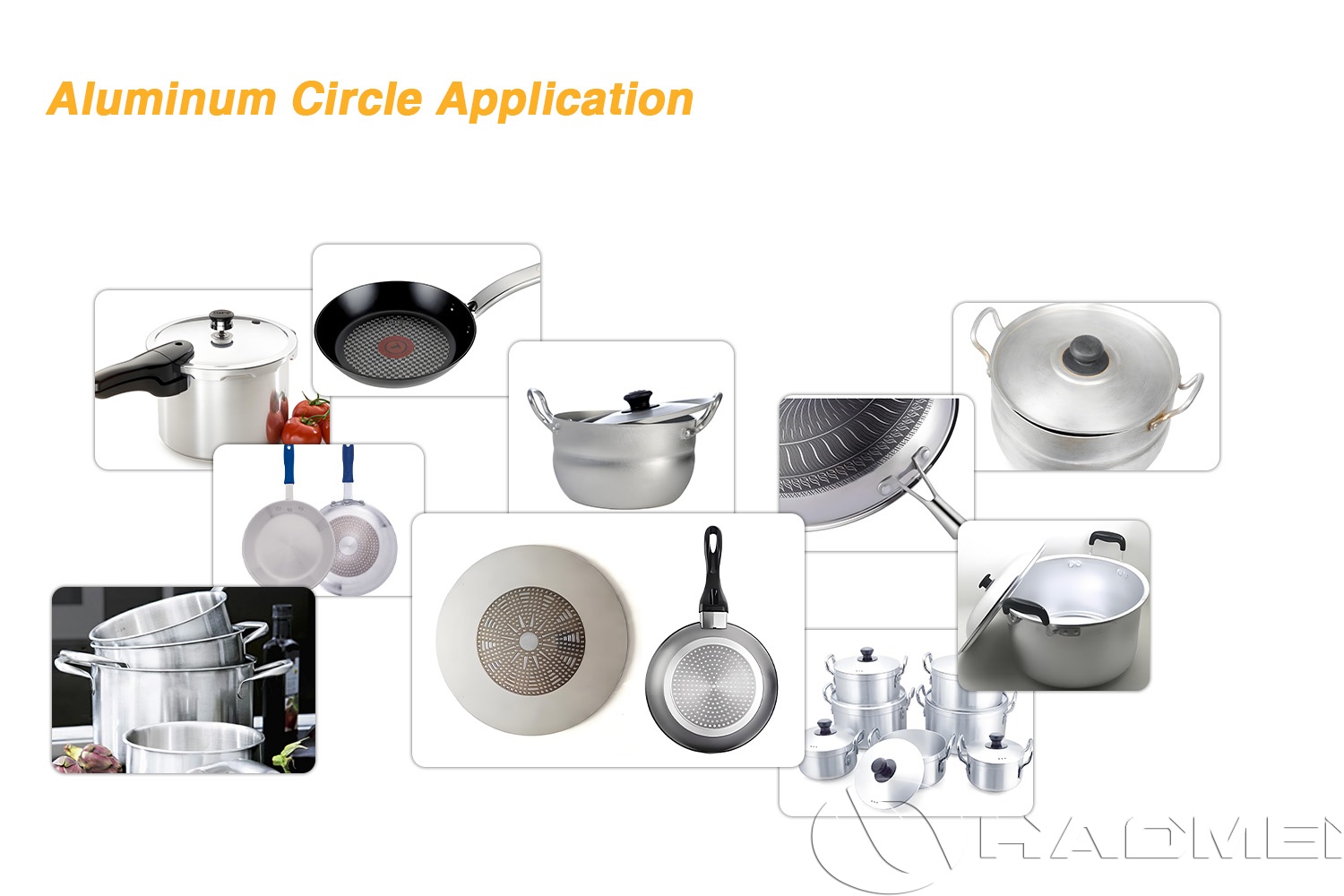
When selecting CC aluminum circle or DC aluminum disc for kitchenware, the first consideration should be the forming requirement. For shallow drawn or spun products, CC material can provide a practical balance of performance and cost. For deep drawn or premium cookware, DC material is often the safer choice.
The second consideration is the surface treatment. Non-stick coating requires clean and stable surfaces. Anodizing requires good surface uniformity and suitable alloy chemistry. Polishing requires fewer surface lines and defects. These requirements may influence both alloy and production route.
The third consideration is production stability. If a cookware factory operates automatic stamping lines, diameter tolerance, flatness, lubrication condition, and edge burr control become very important. Even small variations may affect feeding, positioning, and die life.
As a manufacturer, we recommend that buyers provide the finished cookware drawing, forming method, target thickness, surface treatment, and required temper. With this information, we can propose the most suitable aluminum circles for kitchenware and arrange sample production when necessary.
CC and DC aluminum circles are both widely used for making kitchenware, but they serve different production needs. CC aluminum circle is suitable for many general cookware applications with efficient cost control, while DC aluminum disc is preferred for deeper drawing, premium cookware, and demanding surface treatments.
Our factory manufactures cookware aluminum circles with controlled alloy composition, temper, thickness, diameter, surface quality, and packing. By matching the correct material route with the customer production process, we help cookware manufacturers improve forming stability, reduce scrap, and maintain consistent finished product quality.

Office Address:
No.14 Waihuan Road, CBD, Zhengzhou, China
Contact Us
HAOMEI Aluminum offer an custom aluminum circle for you!
whatsapp: +86-18703635966
Email: sales@alummc.com
Email: alummc@hotmail.com
Request Free Sample & Quotation
Copyright © 2026 By HAOMEI Aluminum CO., LTD. All Rights Reserved. Sitemap
 +86-18703635966
 sales@alummc.com
 8618703635966
