
 No.14 Waihuan Road, CBD, Zhengzhou, China
 +86-18703635966

No.14 Waihuan Road, CBD, Zhengzhou, China
+86-18703635966
For cookware manufacturers, selecting between CC grade and DC grade aluminum circles affects forming performance, finished surface quality, production yield, and overall material cost. Both materials are widely used for pots, frying pans, saucepans, pressure cookers, and other stamped cookware bodies. However, their rolling routes create meaningful differences in grain structure, thickness capability, and suitability for deep drawing.
As an aluminum circle manufacturer, we produce cookware aluminum discs according to the forming process, alloy requirement, thickness range, and surface standard of each customer. CC and DC aluminum circles should not be selected only by price. The correct choice depends on the intended cookware design and the severity of the drawing operation.
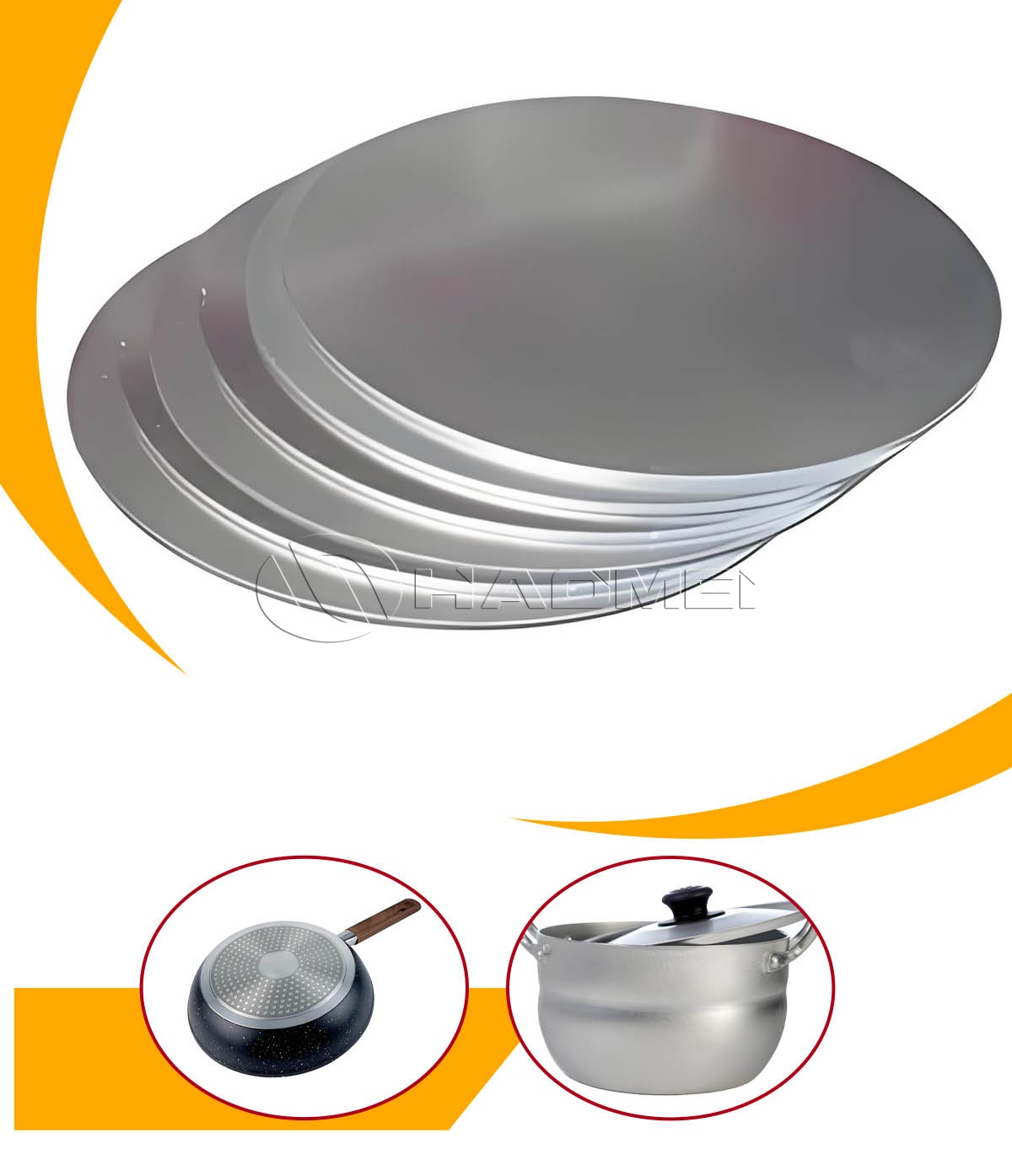
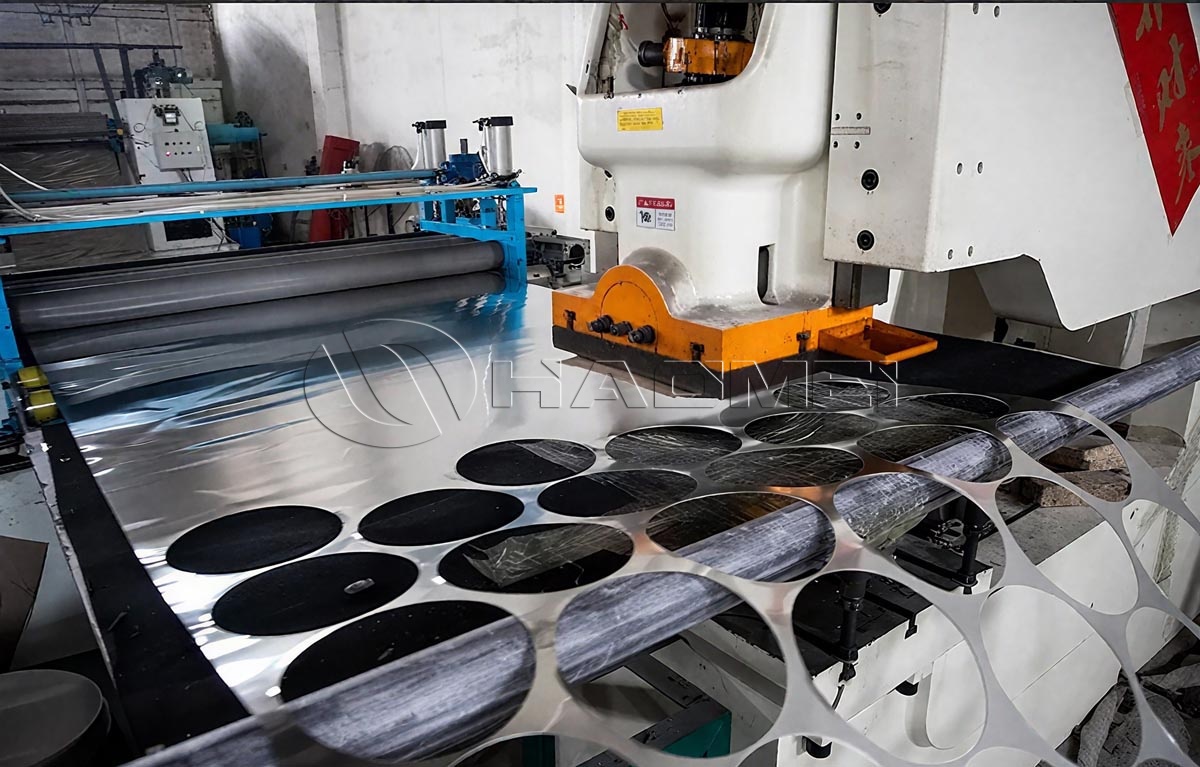
CC grade aluminum circles are made from continuously cast aluminum coil. In continuous casting, molten aluminum is solidified directly into a relatively thin slab or strip, which is then rolled to the required gauge. The process has fewer conversion stages than the conventional DC route and is efficient for high-volume production of standard-gauge aluminum sheet and circle blanks.
For cookware applications, CC aluminum circles are commonly supplied in 1050, 1060, 1070, and selected 3003 alloy grades. They are generally suitable for light to medium forming operations, particularly where the cookware shape is shallow and the required thickness is within the normal continuous-casting range.
CC grade aluminum circles can provide stable quality when the coil chemistry, casting control, rolling reduction, annealing process, and blanking operation are properly managed. Nevertheless, compared with DC material, continuous-cast stock usually has more limitations in deep drawing performance and heavy-gauge production.
DC grade aluminum circles are produced from direct chill cast ingots. In this process, molten aluminum is cast into thick slabs or ingots, homogenized, hot rolled, cold rolled where required, annealed, and finally blanked into circles. This route offers greater metallurgical control and is commonly used where demanding formability, thicker material, or premium surface consistency is required.
DC aluminum circles are preferred for cookware parts with deeper drawing ratios, more complex contours, larger diameters, and higher requirements for anodizing or non-stick coating. The direct chill route supports more uniform grain development after rolling and annealing, helping reduce the risk of cracking, orange peel, earing, and uneven deformation during press forming.
For demanding cookware programs, our Hot Rolled Aluminum Circle options are typically based on DC cast material and are designed for robust forming performance in thicker gauges.
The terms CC and DC refer primarily to the casting route, not simply to alloy composition. A 1050 aluminum circle made from CC coil and one made from DC coil may have the same nominal chemical specification, but they can perform differently during cookware production.
| Comparison Item | CC Grade Aluminum Circle | DC Grade Aluminum Circle |
|---|---|---|
| Casting method | Continuous casting | Direct chill ingot casting |
| Production route | Shorter process route | Ingot casting, homogenizing, hot rolling, and further rolling |
| Common thickness range | Typically thin to medium gauge | Suitable for thin, medium, and heavy gauge |
| Formability | Suitable for shallow or moderate drawing | Better for deep drawing and complex forming |
| Grain uniformity | Generally acceptable for standard forming | Typically more uniform after controlled processing |
| Surface quality | Suitable for standard cookware finishes | Better consistency for premium finishing requirements |
| Typical cookware use | Simple pots, lids, shallow pans, utensils | Deep pots, pressure cookers, frying pans, premium cookware |
| Cost position | Usually more economical | Usually higher due to the longer processing route |
Deep drawing is one of the most important selection factors for aluminum circles for cookware. During drawing, the blank is pulled into a die to form the cookware wall. The material must stretch evenly without edge cracking, tearing, excessive earing, or surface defects.
CC grade aluminum circles can perform well for shallow cookware items with a moderate depth-to-diameter relationship. For example, shallow pans, lids, trays, and simple stamped components may be efficiently produced from CC material when the temper and tooling conditions are appropriate.
DC grade aluminum circles are generally more suitable for deep-drawn cookware. Their processing history allows better control of grain structure and mechanical properties. This is particularly important for tall saucepans, stockpots, pressure cooker bodies, and frying pans with deep sidewalls.
The actual drawing result also depends on more than the casting route. Die clearance, lubrication, blank holder pressure, press speed, material temper, circle edge condition, and annealing consistency all influence production yield. We therefore confirm the customer's forming method before recommending a CC or DC cookware aluminum disc.
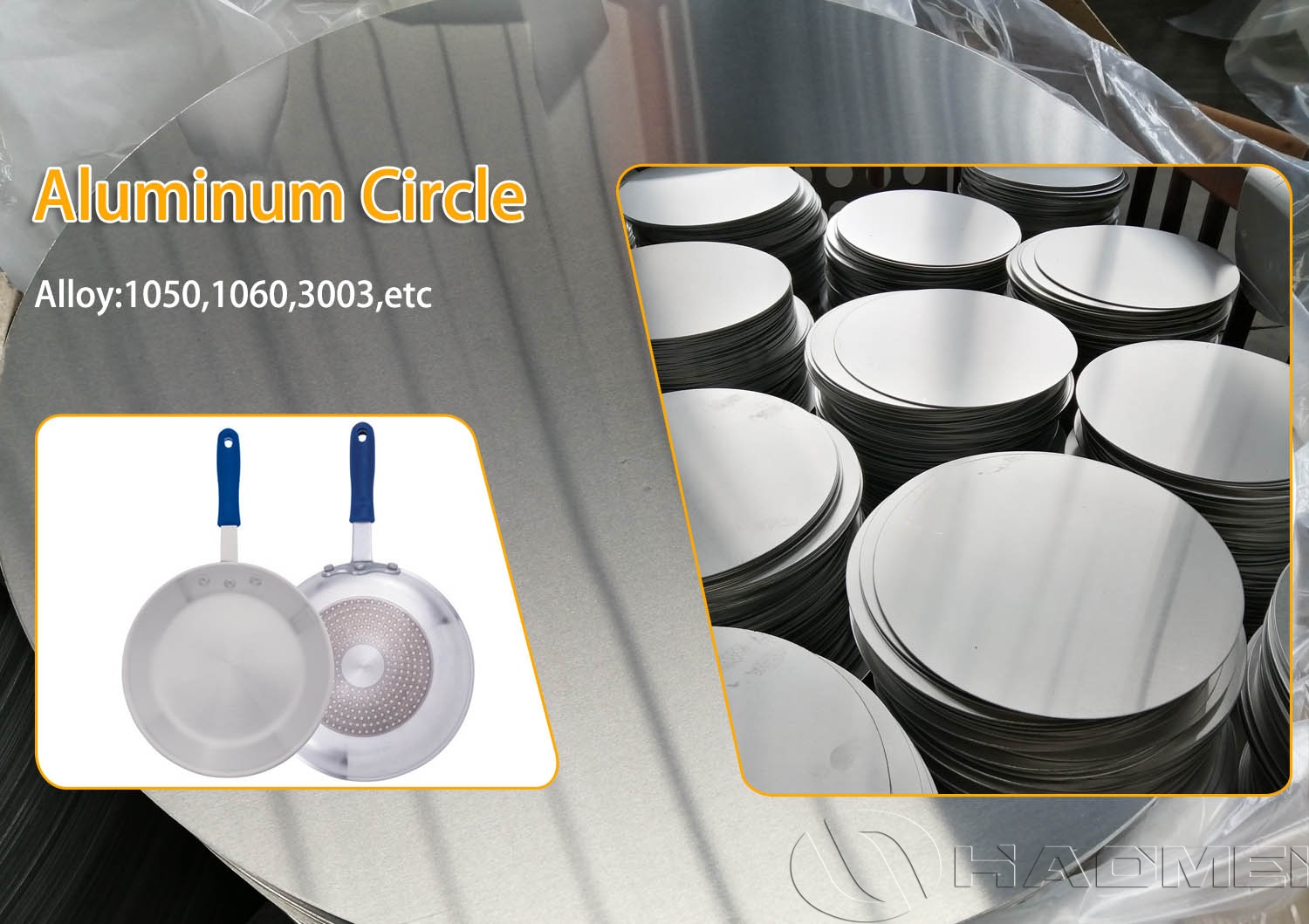
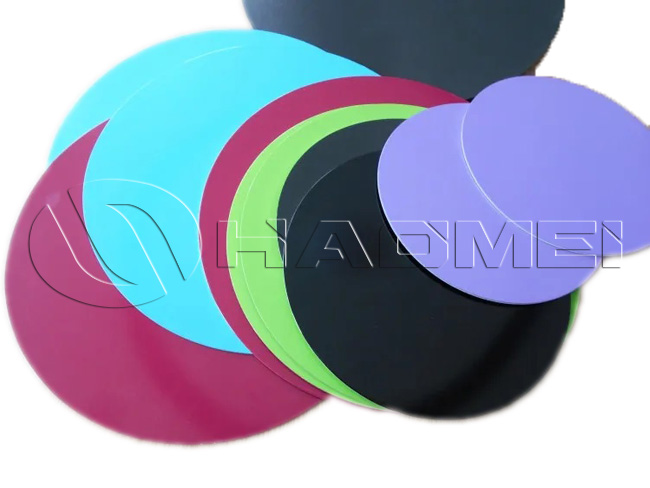
Cookware aluminum circles may receive non-stick coatings, anodized finishes, enamel, polishing, brushing, or laminated layers. Surface quality should be defined according to the final finishing process rather than assessed only by visual appearance at delivery.
For standard painted or coated cookware, CC grade aluminum circles can be an effective option if the coil surface is clean, free from oil marks, scratches, roller impressions, and unacceptable inclusions. The blanking process must also produce smooth edges without burrs that could interfere with forming or coating.
DC grade aluminum circles are often selected for cookware requiring more consistent visual quality after anodizing, polishing, or high-specification coating. The stable substrate helps support uniform finishing, especially on large-diameter parts where surface variation becomes more visible.
At our factory, incoming coil inspection and finished circle inspection cover surface cleanliness, edge condition, diameter tolerance, thickness tolerance, flatness, and packaging protection. These controls help prevent defects from being transferred into the cookware press line.
The alloy must be selected together with the CC or DC production route. Pure aluminum grades provide excellent corrosion resistance and thermal conductivity, while 3003 alloy provides higher strength for certain cookware designs.
| Alloy | Common Material Route | Typical Temper | Typical Thickness | Typical Application |
|---|---|---|---|---|
| 1050 | CC or DC | O, H14 | 0.50 to 4.00 mm | General cookware, lids, shallow pans |
| 1060 | CC or DC | O, H14 | 0.50 to 5.00 mm | Pots, kettles, stamped cookware bodies |
| 1070 | CC or DC | O | 0.60 to 4.00 mm | High-conductivity cookware components |
| 1100 | DC primarily | O, H14 | 0.60 to 5.00 mm | Deep-drawn cookware and coated products |
| 3003 | DC primarily | O, H14 | 0.80 to 6.00 mm | Frying pans, pressure cookers, stronger bodies |
| Parameter | Typical Supply Range | Inspection Focus |
|---|---|---|
| Diameter | 100 to 1,200 mm | Diameter tolerance and roundness |
| Thickness | 0.50 to 6.00 mm | Gauge consistency across the circle |
| Temper | O, H12, H14 | Forming performance and hardness |
| Surface | Mill finish, bright finish, coated-ready | Scratches, oil marks, inclusions, roller marks |
| Edge | Sheared or precision blanked | Burr height and crack-free edge |
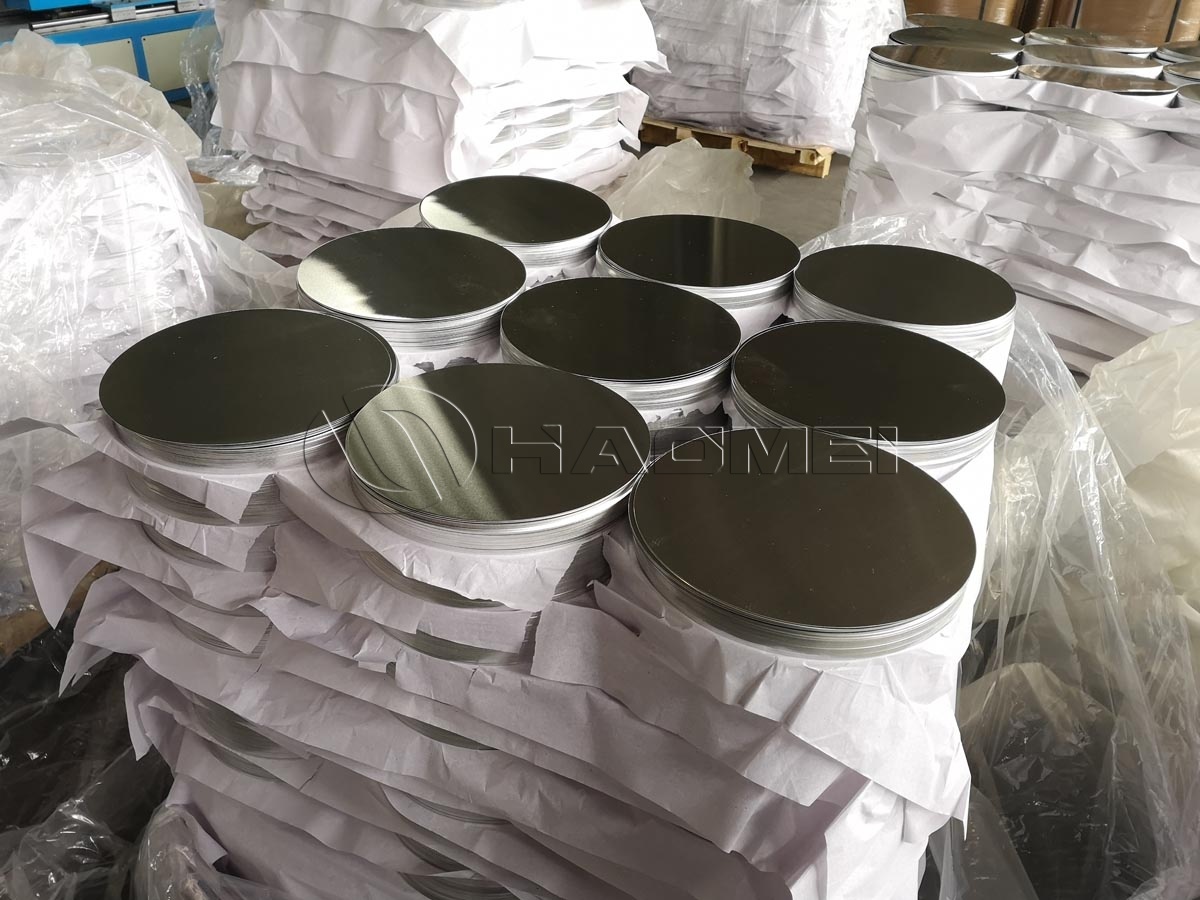
| Packaging | Paper interleaving, film, palletized export packing | Protection from moisture and handling damage |
The exact capability depends on alloy, diameter, thickness, and order quantity. Large circles in thick gauge usually require DC casting and hot rolling, while smaller and thinner cookware circles may be supplied from either CC or DC coil.
CC grade aluminum circles are normally the practical choice when the cookware component has a simple geometry, shallow drawing depth, standard surface requirements, and cost-sensitive volume production. They are also appropriate when the customer has validated the material through production trials and the press line is optimized for the selected temper.
DC grade aluminum circles are recommended when the product requires deep drawing, high forming yield, thicker material, large diameters, stable mechanical properties, or premium surface finishing. DC material can reduce forming-related rejection in demanding applications, although its initial material cost may be higher.
| Cookware Requirement | Recommended Material |
|---|---|
| Shallow stamped lid or tray | CC grade aluminum circle |
| Standard pot with moderate drawing depth | CC or DC, based on press trial |
| Deep-drawn saucepan or stockpot | DC grade aluminum circle |
| Thick frying pan base | DC grade, often hot rolled |
| Pressure cooker body | DC grade aluminum circle |
| Premium anodized cookware | DC grade preferred |
| Cost-focused standard cookware | CC grade where forming conditions allow |
For stable procurement, buyers should provide the final cookware drawing, target alloy, diameter, thickness, temper, coating process, and expected drawing depth. We use this information to match the aluminum circle production route to the customer's actual manufacturing conditions.
Our manufacturing process begins with alloy verification and coil or slab traceability. During rolling and annealing, we control thickness, mechanical condition, and surface cleanliness. During circle blanking, we monitor diameter, roundness, burr condition, and edge quality. Final inspection is conducted before packing to ensure the circles are suitable for downstream stamping and forming.
We can also arrange sample evaluation before mass production, especially for deep drawing aluminum circles or new cookware tooling. Trial samples allow the customer to confirm drawability, earing behavior, coating response, and final appearance under actual press conditions.
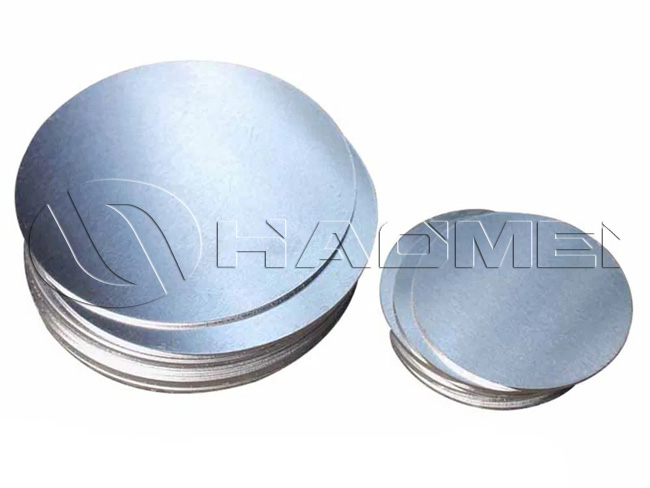
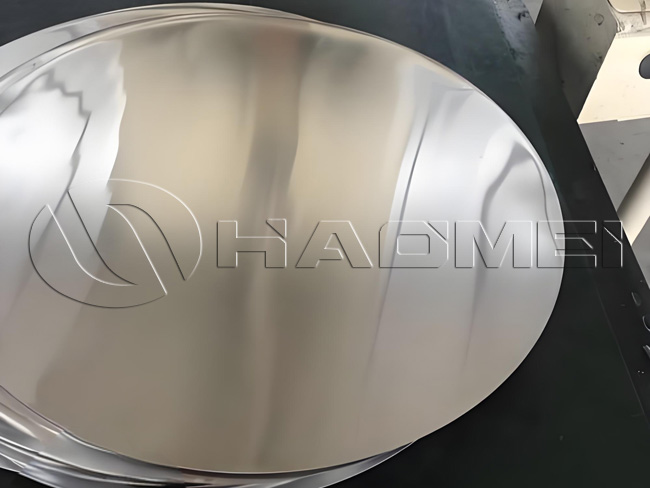
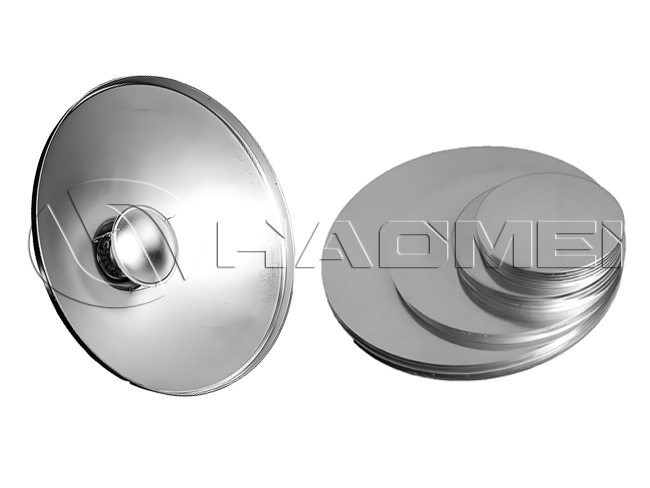
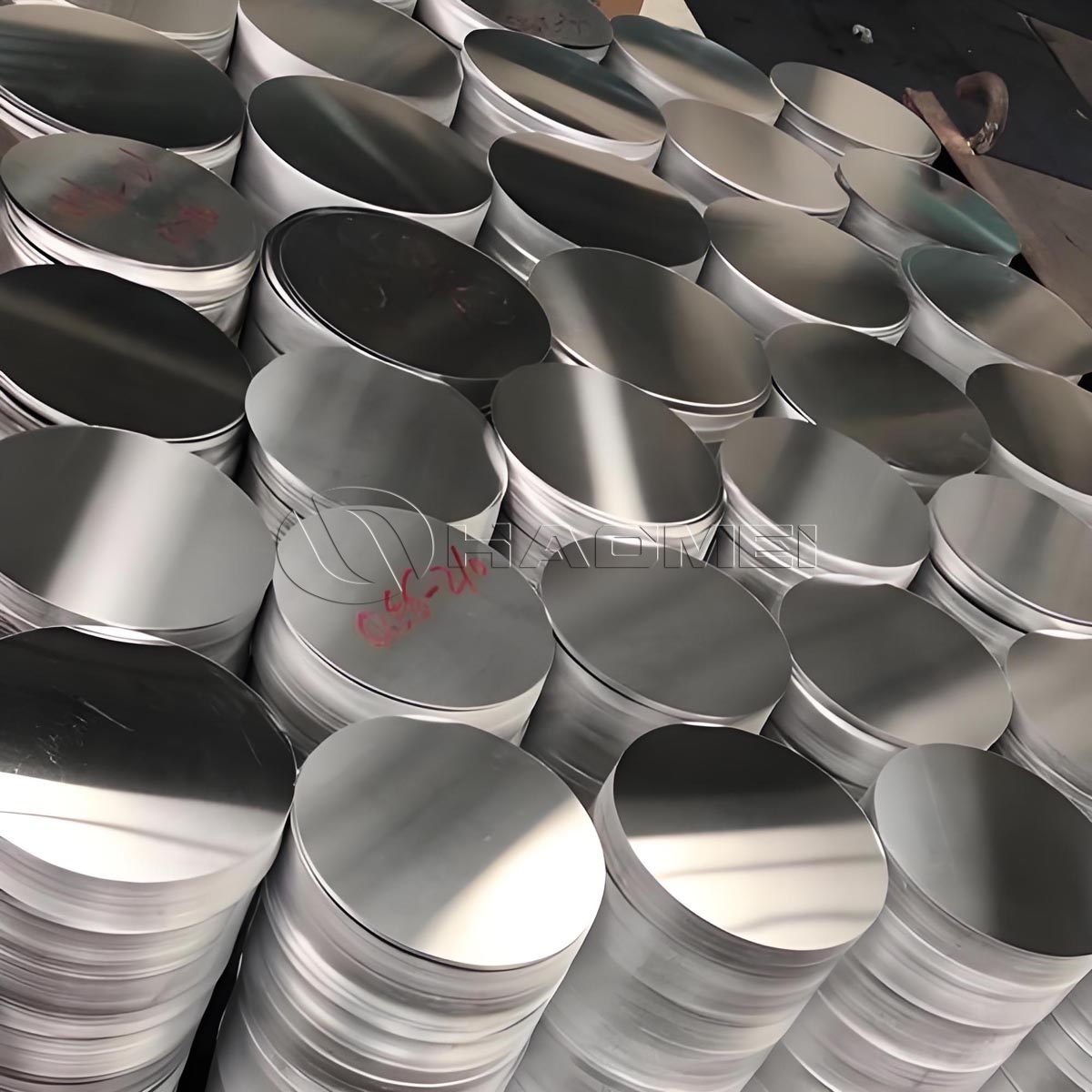
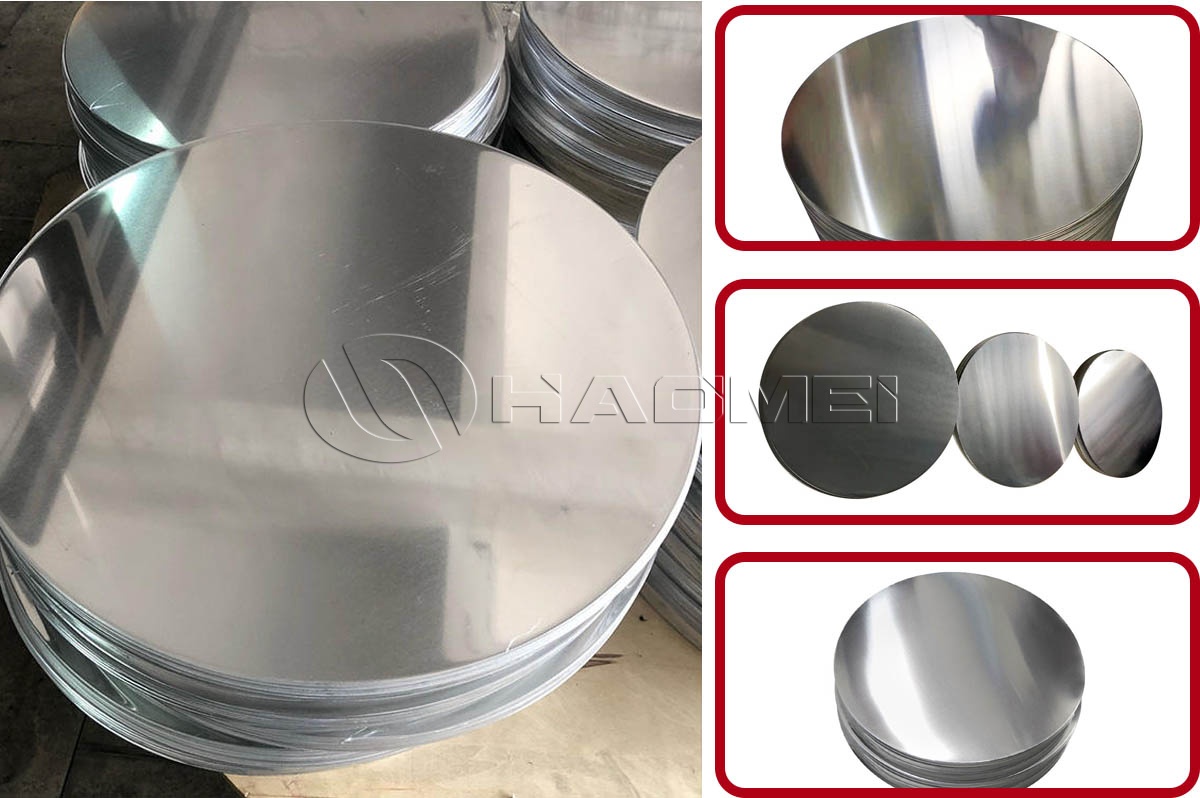
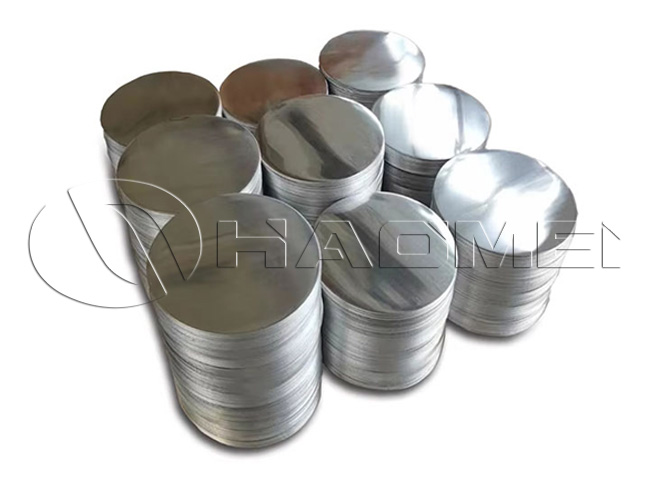
Our Aluminum Circles for Cookware are supplied with specifications adapted to cookware forming, including controlled temper, smooth blanked edges, and export packaging for international production lines.
CC and DC grade aluminum circles each have valid roles in cookware manufacturing. CC material offers an efficient and economical solution for standard cookware with moderate forming requirements. DC material provides stronger support for deep drawing, heavy-gauge parts, demanding surface finishes, and complex cookware shapes.
The most reliable selection is based on the complete production requirement, not on the casting route alone. By matching alloy, temper, thickness, diameter, surface condition, and forming depth, we help cookware manufacturers obtain aluminum circle discs that support consistent press performance and controlled finished-product quality.

Office Address:
No.14 Waihuan Road, CBD, Zhengzhou, China
Contact Us
HAOMEI Aluminum offer an custom aluminum circle for you!
whatsapp: +86-18703635966
Email: sales@alummc.com
Email: alummc@hotmail.com
Request Free Sample & Quotation
Copyright © 2026 By HAOMEI Aluminum CO., LTD. All Rights Reserved. Sitemap
 +86-18703635966
 sales@alummc.com
 8618703635966
